Introduction
Brief Overview of rPET Bottles and Their Growing Use in Sustainable Packaging
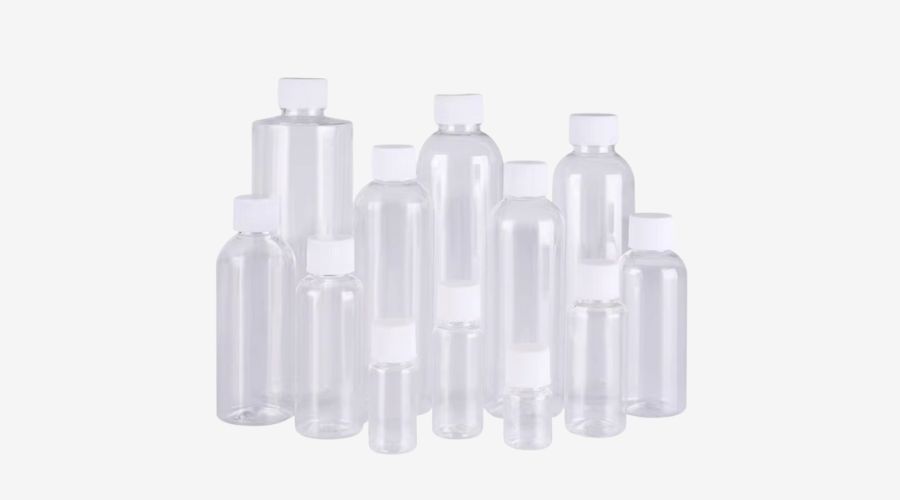
In recent years, rPET bottles have become increasingly popular as a cornerstone of sustainable packaging initiatives. Made from recycled polyethylene terephthalate (PET), these bottles not only reduce plastic waste but also lower the environmental footprint of beverage and consumer goods packaging. As companies worldwide strive to meet eco-friendly packaging standards, the adoption of recycled PET bottles is expanding rapidly across industries such as beverages, personal care, and food products, where advanced quality control technologies like X-Ray inspection systems and X-Ray inspection machines play a critical role in ensuring product safety and packaging integrity.
Importance of Contaminant Detection for Consumer Safety and Brand Protection
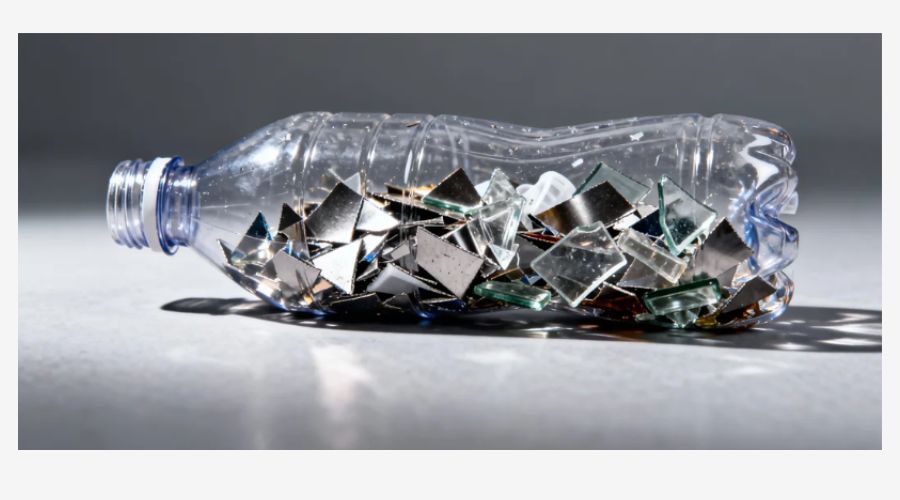
While the use of rPET bottles offers undeniable environmental benefits, it also presents unique challenges in terms of contaminant detection. Foreign objects such as metal fragments, glass shards, or hard plastics can inadvertently enter the manufacturing process during recycling. Undetected contaminants pose serious consumer safety risks and can damage brand reputation, trigger costly recalls, and even lead to regulatory penalties. Ensuring that every rPET bottle is free from hazardous materials is essential for maintaining both product quality and consumer trust.
X-Ray Inspection Machines as a Reliable Solution
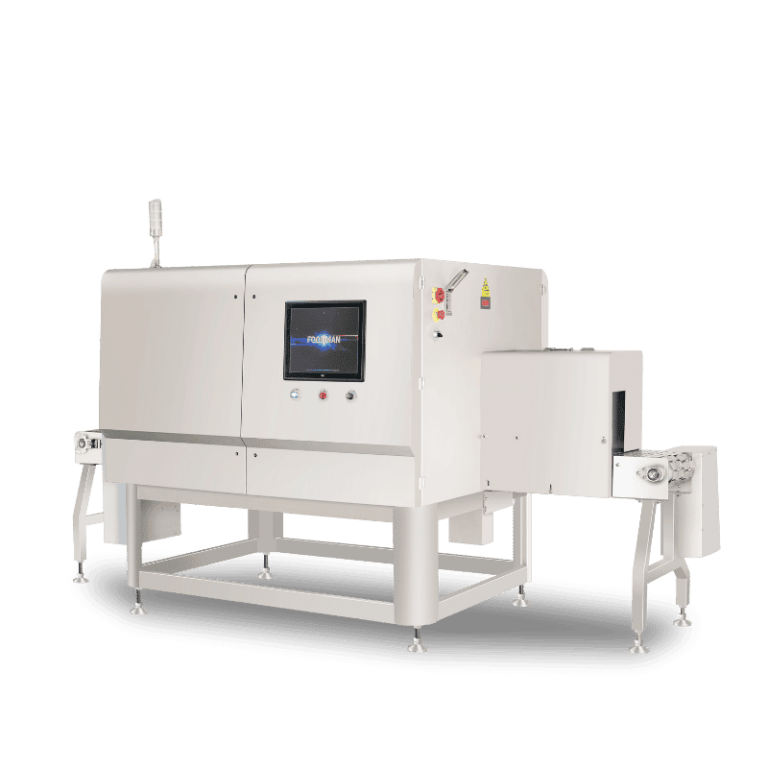
To address these challenges, many manufacturers are turning to X-Ray inspection machines as a highly reliable method for detecting foreign objects in recycled PET bottles. By leveraging advanced X-Ray technology, these machines can non-destructively scan each bottle for contaminants, regardless of opacity or color. The use of industrial X-Ray inspection equipment ensures high-speed, accurate detection while maintaining production efficiency. This technology has become a critical tool for companies committed to food safety, quality control, and sustainable manufacturing practices.
Understanding Contaminants in rPET Bottles
Common Contaminants
rPET bottles, made from recycled PET, are highly effective in promoting sustainable packaging, but the recycling process can introduce a variety of contaminants. The most common foreign objects found in rPET bottles include metal fragments, glass shards, stones, hard plastics, and occasionally residues from previous contents. These contaminants are often small and difficult to detect with the naked eye, yet they can cause significant consumer safety risks if left unchecked.
In addition, variations in the density and opacity of recycled materials make traditional inspection methods less effective. This is why industries increasingly rely on advanced X-Ray inspection machines to ensure that rPET bottles meet strict quality control standards and are free from harmful foreign objects.
Risks of Undetected Contaminants
The presence of undetected contaminants in rPET bottles can have serious consequences for both manufacturers and consumers. From a consumer safety perspective, ingesting or coming into contact with foreign objects such as metal or glass can result in injury or health issues.
For manufacturers, undetected contaminants can compromise product quality, trigger costly recalls, and damage brand reputation. Moreover, failing to comply with safety regulations can lead to legal liabilities and financial penalties. These risks underscore the importance of implementing reliable industrial X-Ray inspection technology as part of a comprehensive quality assurance strategy for recycled PET bottles.
Advantages of Using X-Ray Machines for rPET Bottle Inspection
Non-Destructive Testing—Does Not Damage Bottles
One of the primary benefits of X-Ray inspection machines is their ability to perform non-destructive testing. Unlike manual or intrusive inspection methods, industrial X-Ray technology can scan rPET bottles for contaminants without causing any damage. This ensures that every bottle maintains its structural integrity, making it possible to detect foreign objects while keeping production losses minimal. Non-destructive testing is especially valuable in sustainable packaging processes, where maintaining the integrity of recycled PET bottles is critical for both environmental and economic reasons.
High-Speed Detection Suitable for High-Volume Production Lines
Modern X-Ray inspection machines are designed for high-speed detection, making them ideal for high-volume production lines in the beverage, food, and personal care industries. These machines can inspect thousands of rPET bottles per hour, ensuring that contaminant detection does not become a bottleneck in the manufacturing process. By combining speed with accuracy, manufacturers can maintain product quality without compromising production efficiency, which is essential for meeting market demand.
Ability to Detect a Wide Range of Contaminants, Even in Opaque or Colored rPET
rPET bottles can vary in color and opacity, which often makes traditional inspection methods less effective. Advanced X-Ray inspection machines, especially those with dual-energy imaging, can detect a wide range of foreign objects, including metals, glass, stones, and hard plastics—even in opaque or colored rPET bottles. This capability significantly enhances quality control and ensures that every bottle leaving the production line is safe for consumers.
Integration with Automated Rejection Systems for Efficiency
To further optimize production, many X-Ray inspection machines are integrated with automated rejection systems. Once a contaminant is detected, the machine can automatically remove the affected rPET bottle from the line, minimizing human intervention and reducing the risk of errors. This automation not only improves inspection accuracy but also streamlines workflow, making industrial X-Ray inspection equipment a critical component of efficient and safe rPET bottle production.
Challenges in Detecting Contaminants in rPET Bottles
Variability in Recycled Plastic Density
One of the main challenges in rPET bottle inspection is the variability in recycled plastic density. Because rPET bottles are made from different batches of recycled PET, their density and internal composition can vary significantly. This makes it more difficult for X-Ray inspection machines to consistently differentiate between harmless variations in the plastic and actual foreign contaminants. Proper calibration of X-Ray inspection equipment is essential to ensure accurate contaminant detection without compromising product quality.
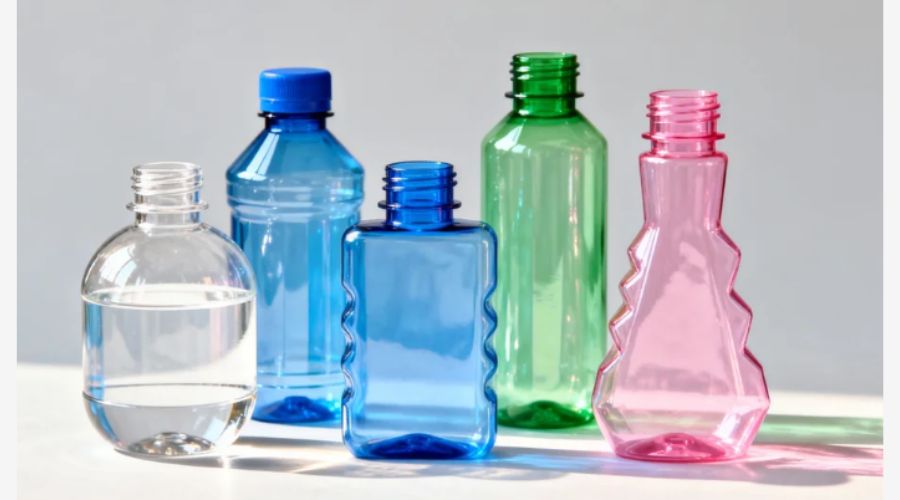
Complex Bottle Shapes and Colored Plastics Affecting X-Ray Absorption
The wide variety of rPET bottle shapes and sizes also presents a challenge for industrial X-Ray inspection machines. Bottles with intricate designs, ridges, or varying wall thicknesses can interfere with X-Ray absorption, potentially masking smaller foreign objects. Additionally, colored or opaque rPET bottles may further complicate the inspection process. Advanced dual-energy X-Ray machines and adaptive imaging algorithms are often required to overcome these challenges and maintain reliable quality control.
False Positives and Minimizing Waste During Inspection
False positives are another concern in X-Ray inspection of rPET bottles. Machines may occasionally flag harmless irregularities in the recycled PET material as contaminants, leading to unnecessary rejection of safe bottles. Excessive false positives not only increase waste but also reduce production efficiency. To minimize this, manufacturers are increasingly integrating AI-assisted X-Ray inspection systems, which improve detection accuracy, reduce errors, and optimize contaminant detection without sacrificing high-speed production.
Best Practices for X-Ray Inspection of rPET Bottles
Calibrating Machines for Recycled Plastic Density Variations
To achieve reliable contaminant detection in rPET bottles, it is essential to calibrate X-Ray inspection machines to account for variations in recycled PET density. Differences in plastic batches can affect X-Ray absorption, making it challenging to distinguish between harmless material and actual foreign objects. Regular calibration ensures that industrial X-Ray inspection equipment maintains consistent quality control, accurately identifying contaminants without causing unnecessary rejections or production waste.
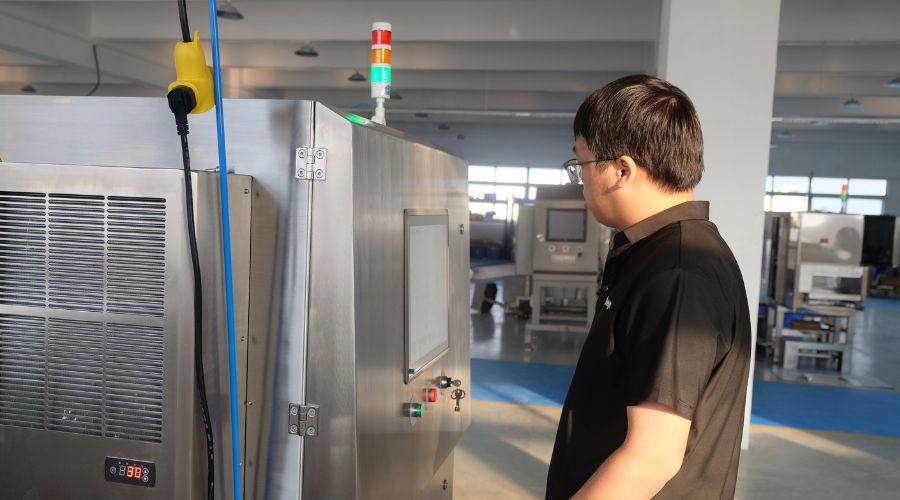
Regular Maintenance and Testing to Ensure Consistent Detection
Consistent performance of X-Ray inspection machines depends on proactive maintenance and testing. Routine checks of X-Ray detectors, conveyor systems, and imaging software help prevent downtime and maintain precise contaminant detection. By implementing a structured maintenance schedule, manufacturers can ensure that their rPET bottle inspection processes remain efficient, safe, and compliant with product quality standards.
Combining X-Ray with AI Algorithms for Better Accuracy and Speed
Integrating AI algorithms with X-Ray inspection technology is a best practice that enhances both detection accuracy and inspection speed. AI-powered systems can analyze complex imaging data, identify subtle differences between recycled PET material and foreign contaminants, and reduce false positives. This approach allows manufacturers to maintain high-speed production while achieving superior quality control for rPET bottles, making it an essential strategy for modern sustainable packaging operations.
Future Trends in rPET Bottle Inspection
Advances in AI-Assisted X-Ray Inspection for Smarter Contaminant Recognition
The future of rPET bottle inspection is increasingly shaped by AI-assisted X-Ray inspection systems. By combining industrial X-Ray technology with artificial intelligence, manufacturers can achieve smarter contaminant recognition, distinguishing even the smallest or most subtle foreign objects from harmless variations in recycled PET. These advanced systems not only improve detection accuracy but also reduce false positives, optimize inspection speed, and strengthen quality control for sustainable packaging operations.
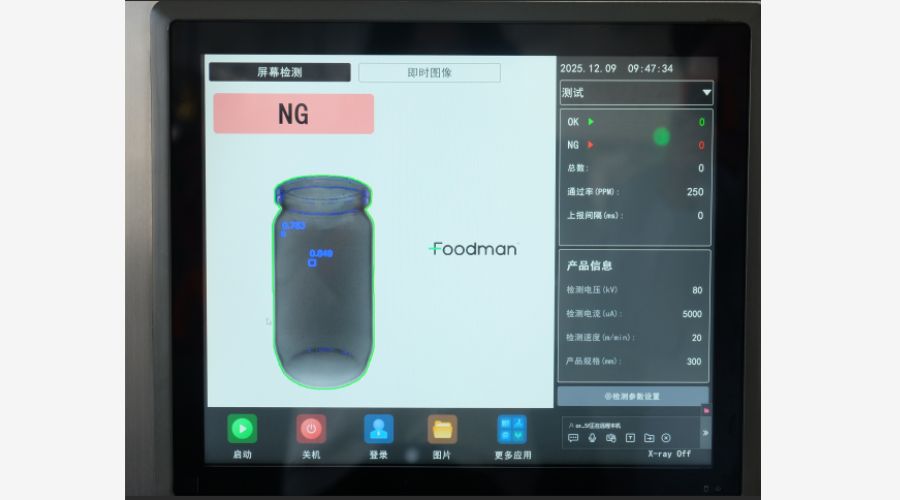
Integration with Industry 4.0 and Smart Manufacturing
X-Ray inspection machines are also being integrated into Industry 4.0 frameworks, enabling smart manufacturing processes. Connected systems allow real-time data monitoring, predictive maintenance, and automated quality reporting, which helps manufacturers optimize rPET bottle inspection across high-volume production lines. The adoption of digital and automated inspection solutions enhances production efficiency, reduces human error, and ensures that contaminant detection meets the highest safety standards.
Increasing Regulatory Requirements and Consumer Demand for Sustainable and Safe Packaging
As consumers and regulatory bodies place greater emphasis on safety and sustainability, manufacturers of rPET bottles must comply with stricter guidelines for contaminant detection and product quality. The demand for eco-friendly packaging is driving the adoption of advanced X-Ray inspection machines capable of meeting both regulatory compliance and consumer expectations. Companies that embrace these trends can deliver safe, high-quality, and environmentally responsible products, strengthening their market position while supporting global sustainability goals.
Conclusion
Recap of Why X-Ray Machines Are Essential for Contaminant Detection in rPET Bottles
In summary, X-Ray inspection machines play a crucial role in ensuring the safety and quality of rPET bottles. These advanced systems provide precise contaminant detection, identifying foreign objects that could compromise consumer safety and product quality. By leveraging industrial X-Ray technology, manufacturers can inspect recycled PET bottles efficiently and non-destructively, ensuring that every bottle leaving the production line meets rigorous quality control standards.
Emphasize the Role of Technology in Ensuring Safety, Efficiency, and Sustainability in Recycled Packaging
Beyond safety, the use of X-Ray inspection machines is pivotal for optimizing production efficiency and supporting sustainable packaging initiatives. The integration of AI-assisted X-Ray inspection systems, dual-energy imaging, and smart manufacturing solutions allows manufacturers to maintain high-speed rPET bottle inspection while reducing waste and minimizing errors. Technology not only safeguards consumers but also enables companies to meet increasing regulatory compliance requirements and rising consumer demand for eco-friendly packaging. Ultimately, advanced X-Ray inspection technology ensures that recycled PET bottles are safe, reliable, and sustainable—strengthening brand trust and promoting environmentally responsible manufacturing practices.
FAQ
Q1: What are rPET bottles?
A: rPET bottles are made from recycled polyethylene terephthalate (PET) and are widely used in sustainable packaging.
Q2: Why is contaminant detection important in rPET bottles?
A: Contaminants like metal fragments, glass, or plastics can harm consumers, compromise product quality, and damage brand reputation.
Q3: How do X-Ray inspection machines detect contaminants in rPET bottles?
A: Industrial X-Ray technology scans bottles non-destructively, differentiating between recycled PET material and foreign objects.