
cy.tian

Overcoming Environmental Challenges That Affect Metal Detection

Introduction Importance of Reliable Metal Detection in Food Production Lines Reliable metal detection is a critical component of modern food production, ensuring food safety and protecting consumers from potential harm. Food industry metal detectors are widely used to identify contaminants such as ferrous, non-ferrous, and stainless-steel particles in packaged and unpackaged products. Understanding how a […]

Overcoming Environmental Challenges That Affect Metal Detection Read More »

How Product Characteristics Affect Metal Detector Accuracy?

Introduction Importance of Accurate Metal Detection in Food Production Lines Accurate metal detection is a cornerstone of quality assurance in modern food manufacturing. Food industry metal detectors are deployed to ensure that products are free from metallic contaminants such as ferrous, non-ferrous, and stainless steel. Understanding how a metal detector works in real production environments

How Product Characteristics Affect Metal Detector Accuracy? Read More »

Predictive Maintenance in Metal Detection: Reducing Downtime and Costs

Introduction: Why Maintenance Strategy Matters in Metal Detection In modern food manufacturing, metal detection systems are no longer optional add-ons—they are mission-critical components of quality assurance and contamination control. While much attention is often placed on detection sensitivity and compliance certification, the maintenance strategy behind metal detection systems plays an equally important role in ensuring

Predictive Maintenance in Metal Detection: Reducing Downtime and Costs Read More »

Understanding False Rejects in Metal Detectors and How to Minimize Them

Introduction Overview of Metal Detection in Food Production and Its Importance for Food Safety In modern food production, contamination control is a critical part of ensuring food safety. One of the most effective tools for preventing foreign objects in processed food is the metal detector for food production line. These systems are designed to identify

Understanding False Rejects in Metal Detectors and How to Minimize Them Read More »

Integrating Metal Detection with Cloud-Based Monitoring Systems

Introduction Overview of Metal Detection in Modern Food Production and Its Role in Food Safety and Quality Assurance In modern food manufacturing, ensuring food safety is a top priority. Contaminants such as ferrous, non-ferrous, or stainless-steel fragments can enter products at various stages of processing, packaging, or handling. This is where food industry metal detectors

Integrating Metal Detection with Cloud-Based Monitoring Systems Read More »

How Conveyor Design Affects Metal Detector Performance in Food Production?

Introduction Metal contamination remains one of the most serious safety risks in modern food manufacturing. From raw material handling to final packaging, even microscopic metal fragments can lead to costly recalls, regulatory penalties, and damage to brand reputation. As production lines become faster and more automated, ensuring reliable metal detection has become a non-negotiable requirement

How Conveyor Design Affects Metal Detector Performance in Food Production? Read More »

Metal Detection in the Era of Digital Traceability and Food Transparency

Introduction Rising Consumer Demand for Transparency and Traceability in the Food Industry In recent years, consumers have become increasingly concerned about the origins and safety of the food they consume. Digital traceability has emerged as a critical tool in addressing these demands, allowing manufacturers to track products from raw materials to the finished goods on

Metal Detection in the Era of Digital Traceability and Food Transparency Read More »

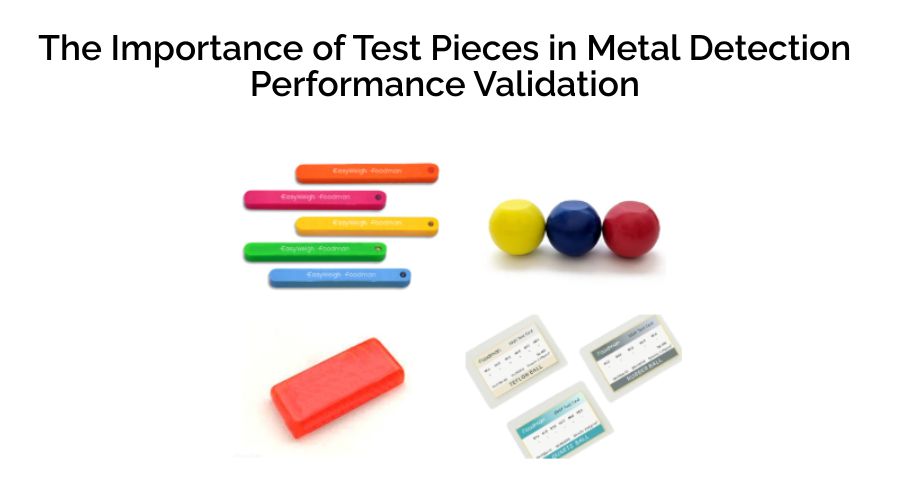
The Importance of Test Pieces in Metal Detection Performance Validation

Introduction Growing Regulatory Requirements in Food Safety and Contamination Prevention In today’s food industry, regulatory bodies are placing increasingly strict demands on manufacturers to ensure food safety and prevent contamination. Global standards, including HACCP, FDA, and EU food safety regulations, require companies to implement reliable detection methods to identify foreign objects in production lines. Failure

The Importance of Test Pieces in Metal Detection Performance Validation Read More »

How Metal Detection Helps Food Manufacturers Achieve Regulatory Compliance?

Introduction Growing Regulatory Pressure on Food Safety and Contamination Prevention In today’s food industry, regulatory authorities are increasingly focused on food safety, with stricter requirements to prevent contamination. Manufacturers are expected to implement robust preventive measures, including metal detectors in the food industry, to ensure that products meet global safety standards. Failure to comply with

How Metal Detection Helps Food Manufacturers Achieve Regulatory Compliance? Read More »

X-Ray Inspection for Eco-Friendly Packaging

Introduction Overview of Eco-Friendly Packaging Trends and Materials In recent years, the food, beverage, and consumer goods industries have increasingly shifted towards eco-friendly packaging to reduce environmental impact and promote sustainability. Materials such as recycled plastics, rPET bottles, biodegradable films, and compostable laminates are becoming standard choices for manufacturers aiming to meet the growing demand

X-Ray Inspection for Eco-Friendly Packaging Read More »

Scroll to Top