Introduction
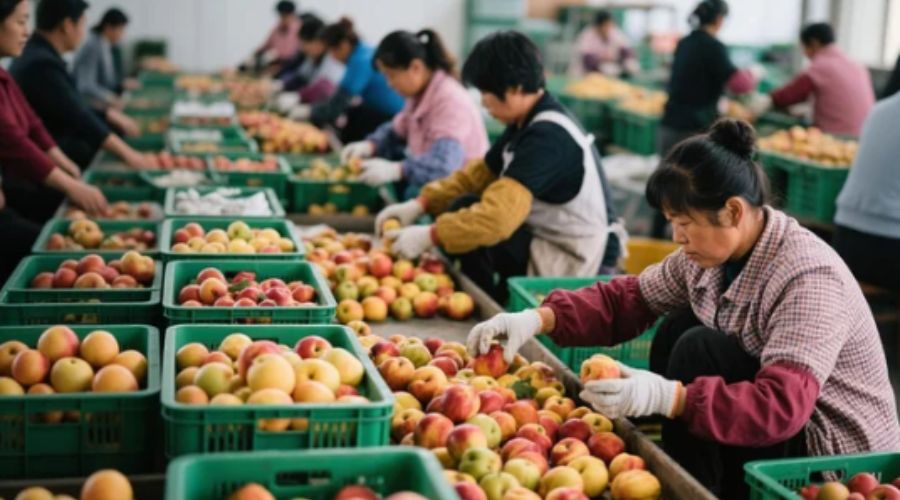
For decades, the journey of fresh produce—from orchard to table—has been characterized by inefficiency. Traditional methods for sorting fruits and vegetables have relied almost exclusively on the human eye and hand. While this approach leverages human intuition, it is inherently limited by subjectivity, fatigue, and inconsistency. A single worker may inspect thousands of items per shift. However, studies show that visual accuracy can drop by up to 30% after just two hours of repetitive work. Furthermore, a global shortage of agricultural labor has made it increasingly difficult to maintain quality standards on a large scale.
It is against this backdrop that AI-based visual inspection systems have emerged, fundamentally reshaping the landscape of fruit and vegetable sorting. By harnessing the power of machine learning and advanced imaging technologies, automated visual inspection systems enable precise, high-speed sorting operations that meet the diverse demands of the modern market. Today, visual inspection systems for quality control are no longer merely optional “add-ons”; rather, they are rapidly becoming the central pillars supporting highly effective produce quality assessment throughout the entire supply chain.
How AI Vision Inspection Systems Work
To understand their impact, one must first grasp the mechanisms underpinning this technology. At the core of these AI systems lies a sophisticated interplay of hardware and software, specifically engineered for the quality inspection of fruits and vegetables.
1. High-Speed Image Capture
Multispectral cameras capture images as produce moves along a conveyor belt.
These cameras detect:
- Surface color changes
- Shape variations
- Internal defects using near-infrared light
They collect hundreds of images per second.
2. AI-Based Image Analysis
After image capture, AI models process the data.
Convolutional Neural Networks (CNNs) identify patterns in the images. Engineers train these models using millions of labeled samples.
Unlike traditional systems, AI does not rely on fixed rules. Instead, it learns defect patterns automatically from data.
This allows the system to detect subtle problems such as early decay or hidden bruising.
3. Automated Defect Classification
The AI system classifies each item in real time.
It separates produce into categories such as:
- Premium grade
- Processing grade
- Reject grade
This classification helps manufacturers maintain consistent product quality.
Key Application Scenarios
The application of vision systems for quality inspection extends far beyond the final packaging line. These solutions are deployed at critical nodes throughout the entire supply chain, ensuring that quality is locked in from the very moment of harvest.
1. Primary Harvest Sorting (At the Field Edge)
Agricultural produce is most vulnerable immediately after harvest. Farm operators now deploy portable AI vision inspection systems in the field to perform preliminary sorting.
For instance, when harvesting apples or tomatoes, mobile units scan the harvest bins before they are transported to the processing plant. This enables growers to segregate produce intended for long-term storage from produce that retailers will sell immediately for fresh consumption.
Furthermore, early detection of sunburn or pest damage helps processors optimize storage conditions.
It also prevents healthy produce from being affected by ethylene gas released by damaged items.
2. In-Plant Grading and Defect Removal
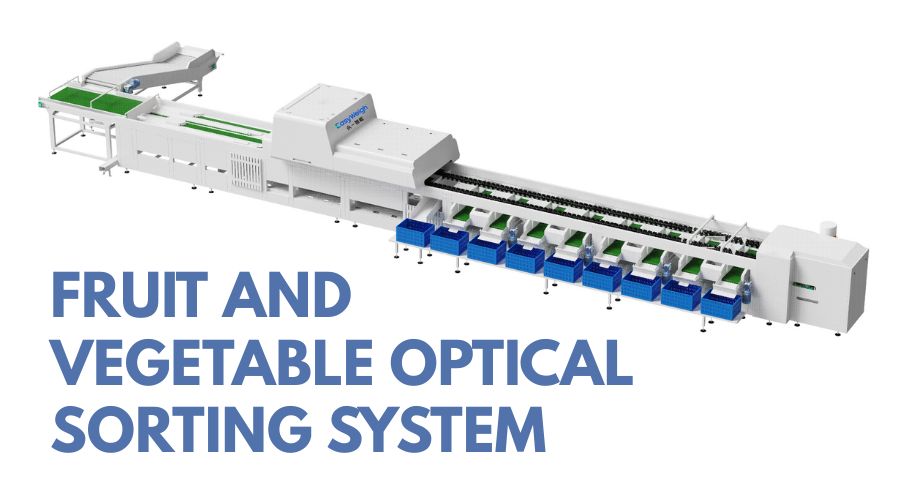
Once inside the processing plant, throughput volumes increase exponentially. At this stage, high-speed vision inspection systems for quality control become indispensable. On a typical potato or carrot packaging line, these systems perform a dual function.
First, they execute “foreign object removal,” identifying stones, leaves, or plastic fragments that may have been harvested alongside the crops.
Second, they perform precise grading. For citrus fruits, the systems analyze peel color to determine ripeness; for berries, the technology can detect signs of softening or mold with microscopic precision.
The system packages only premium-quality products for retail sale, while slightly imperfect—yet perfectly edible—The system redirects slightly imperfect produce to soup, juice, or dried snack processing, thereby maximizing overall yield.
3. Packaging Optimization
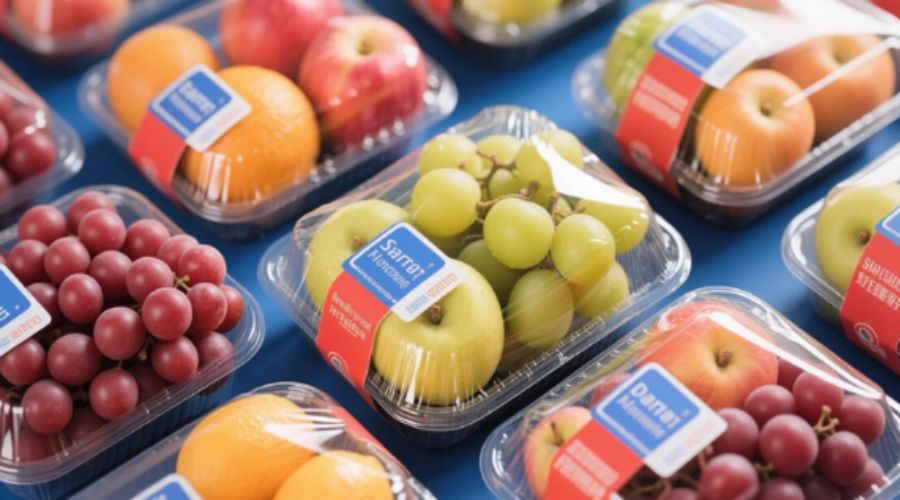
The final stage—packaging—demands an exceptionally high level of precision. At this juncture, fruit and vegetable quality inspection systems focus primarily on positioning.
Accuracy regarding quantity and counting is paramount. In Modified Atmosphere Packaging (MAP) systems—Manufacturers use specific gas mixtures to extend shelf life, —the presence of any foreign objects or damaged products can compromise the integrity of the entire package.
Meanwhile, AI-powered vision systems verify that the correct quantity of produce has been placed in each package, in each blister pack or pouch, that the system checks whether operators place labels accurately, and that the seals remain intact. This final inspection step ensures product consistency.
It helps maintain the premium quality promised by the brand and protects brand reputation.
The Four Values by AI Vision Inspection
1. Precision and Consistency
Human inspectors—no matter how skilled—are prone to variability in their judgments. Factors such as fatigue, emotional state, and fluctuating lighting conditions can all lead to biased assessments.
Automated vision inspection systems, however, maintain the exact same evaluation standards consistently—from the very first apple inspected at dawn to the final batch processed at midnight.
Operating with objective precision, these systems reduce the incidence of “false positives” (sending defective products to retailers) and “false negatives” (needlessly rejecting compliant products) to near-zero levels. This level of reliability is absolutely critical for safeguarding a brand’s reputation.
2. Optimized Workforce Allocation and Cost Reduction
Meanwhile, the agricultural sector has long struggled with labor shortages. By automating the most labor-intensive stage of the packaging process—quality control—businesses can redeploy their workforce to higher-value tasks, such as equipment maintenance and logistics.
One AI inspection unit can replace 20 to 30 human inspectors. In most cases, Most companies recover their investment within 12 to 18 months. Furthermore, by minimizing waste through precise sorting, producers can recoup revenue that would otherwise have been lost due to excessive or erroneous rejection of products.
3. Enhancing Food Safety
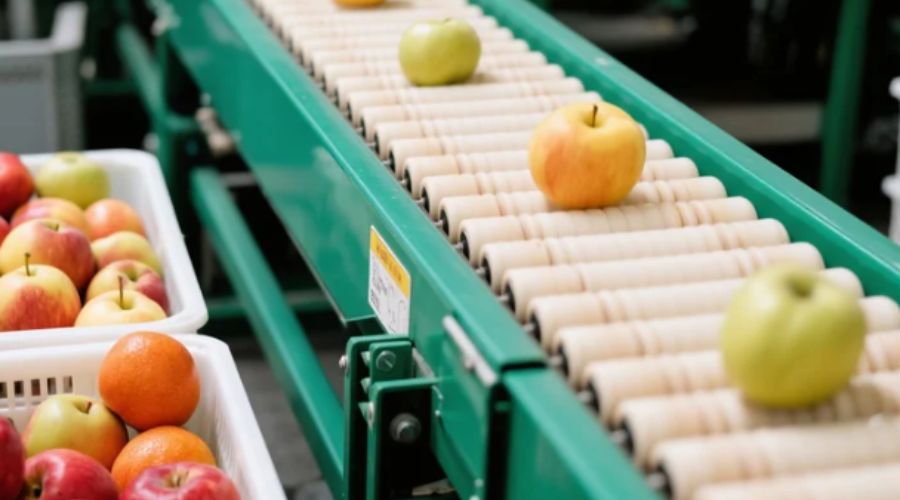
Food safety is non-negotiable. While metal detectors and X-ray machines are commonly used to detect high-density contaminants, vision systems employed for fruit vegetable quality inspection can effectively prevent physical defects—including those that precede organic contamination and microbial growth.
These systems identify subtle warning signs before spoilage spreads, before spoilage or pest infestations enter the supply chain, thereby serving as a critical safeguard against food borne disease outbreaks and protecting both consumers and producers from liability.
4. Data-Driven Insights
In addition, modern fruit and vegetable quality inspection systems act as valuable data generators. They record the specific type of defect, size distribution, and color grade for millions of individual samples. This data provides invaluable feedback to growers and agronomists.
For instance, if a particular batch of tomatoes exhibits a sudden surge in “blossom-end rot,” farm managers can correlate this issue with the irrigation regimen or calcium levels in that specific field. This feedback loop helps farms improve growing practices. As a result, future harvest quality continues to improve.
Challenges and Selection Recommendations
While the benefits are evident, transitioning to AI-driven inspection is not without its hurdles. Many producers face three primary challenges: upfront costs, product diversity, and integration complexity.
Upfront Costs
For small and medium-sized enterprises (SMEs), the capital expenditure required for high-speed AI vision inspection for produce sorting can be prohibitive. However, in the long run, the savings realized through reduced labor costs and minimized product waste are often sufficient to fully offset this investment.
Product Diversity
Fruits and vegetables exhibit immense variations in shape, size, and appearance, which poses a significant challenge to standardizing the inspection process. Consequently, fruit sorting vision system must be rigorously trained using diverse datasets to ensure the accuracy of their inspection results.
Integration Complexity
Integrating vision systems—designed for quality inspection—into existing production lines demands not only deep technical expertise but also meticulous system architecture design.
Selecting the Right Solution
Choosing the appropriate system is the key to success. Foodman offers modular AI algorithm solutions that can be custom-tailored to specific application scenarios. Whether used for grading, defect detection, or sorting and classification, these solutions ensure that AI vision inspection for produce sorting perform at their absolute best. Matching the most suitable algorithms to the most appropriate applications lies at the very heart of maximizing the value of quality control vision systems and achieving highly effective fruit vegetable quality inspection.
The Convergence of AI Vision and X-Ray Sensing
The next evolutionary frontier for quality inspection vision systems lies in “sensor fusion” technology. By integrating AI vision with X-ray technology, automated visual inspection systems gain the capability to simultaneously detect both external and internal product defects.
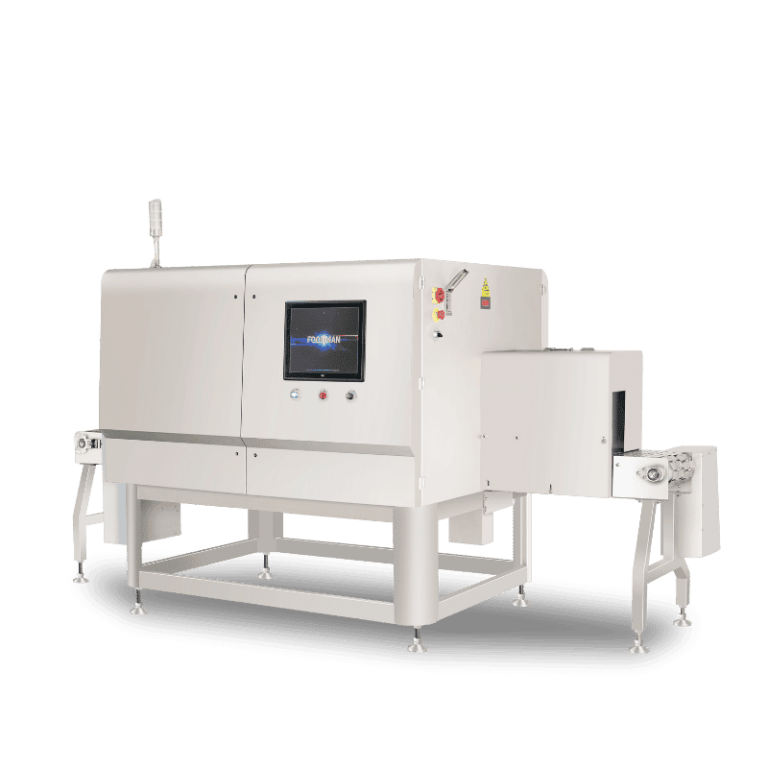
For example, one of Foodman’s latest systems combines AI vision and X-ray sensing technologies.—combining X-ray and AI vision capabilities—and is already in use by a client. The client integrated three inspection systems into one workflow.
These include a dynamic checkweigher, an X-ray detector, and an AI vision system. First, each pouch is weighed. The system automatically rejects non-compliant items. Compliant items then proceed to the next stage—X-ray foreign object detection—where any products containing foreign bodies are flagged and rejected; finally, the AI vision system is utilized to sort the products based on their specific packaging types.
This integrated solution significantly enhances the capabilities of quality control vision systems, enabling enterprises to gain deeper insights into product quality. Particularly for high-value or high-risk agricultural products, such a combined inspection approach can substantially bolster the overall efficacy of fruit and vegetable quality inspection processes.
Conclusion
From harvesting to final packaging, ensuring quality and safety at every stage is paramount. AI-driven visual inspection systems for quality control have fundamentally revolutionized the sorting, grading, and distribution of fresh produce.
By adopting automated visual inspection systems, businesses can not only achieve greater production efficiency but also significantly enhance food safety standards and ensure product quality consistency. As visual inspection systems for quality control continue to evolve and improve, they will play an increasingly pivotal role in shaping the future landscape of produce quality assessment.
Ultimately, the value of technology lies not merely in boosting efficiency, but in building trust. Powered by advanced visual inspection systems, every piece of produce can meet consumer expectations, instilling confidence in every bite.
FAQ
Yes. Modern automated vision inspection systems are designed with gentle handling mechanisms in mind. They utilize non-contact imaging technology and are equipped with soft-roller conveyor belts specifically engineered for delicate berries and stone fruits, aiming to minimize bruising and abrasions during transport.
Yes, modern quality inspection vision systems are highly adaptable and can be trained to recognize and detect a wide variety of fruits and vegetables.
Although the initial investment may be substantial, automated vision inspection systems significantly reduce labor costs and boost operational efficiency, thereby delivering a very high Return on Investment (ROI) in fruit and vegetable quality inspection applications.