
Introduction
Importance of Accurate Metal Detection in Food Production Lines
Accurate metal detection is a cornerstone of quality assurance in modern food manufacturing. Food industry metal detectors are deployed to ensure that products are free from metallic contaminants such as ferrous, non-ferrous, and stainless steel. Understanding how a metal detector works in real production environments is critical, as even minor deviations in detection performance can compromise food safety and lead to regulatory non-compliance.
For manufacturers, the stakes are high: missed contaminants can result in product recalls, damaged brand reputation, and potential harm to consumers, while false rejects may reduce line efficiency and increase operational costs. Investing in reliable metal detector for food production line systems and ensuring their optimal performance is essential for both consumer protection and production reliability.
Overview of How Product Characteristics Can Influence Detection Performance
The accuracy of a metal detector in food industry applications is not solely determined by the device itself—it is heavily influenced by product characteristics. Factors such as moisture content, salt levels, density, packaging materials, product shape, and even orientation on the conveyor can significantly affect what metal detectors detect.
For instance, high-moisture or salty products may create “product effect” signals that interfere with detection, while irregularly shaped items can lead to inconsistent presentation within the detection aperture. Understanding how the metal detector works in conjunction with these variables is critical for optimizing line performance and minimizing false positives or missed contaminants.
Modern food industry metal detectors often incorporate advanced signal processing and multi-frequency detection technologies to compensate for challenging product characteristics. These innovations help ensure that what can a metal detector detect aligns with actual contamination risks, improving both product safety and operational efficiency.
Impact on Food Safety, Compliance, And Production Efficiency
Product characteristics not only affect detection accuracy but also have direct implications for food safety, regulatory compliance, and production efficiency. A metal detector for food production line must consistently identify metallic contaminants without creating excessive false rejects, which can disrupt throughput and increase waste.
Inconsistent detection may result in non-compliance with HACCP, GFSI, or local food safety regulations, leading to costly audits or recalls. By understanding how does a metal detector work with different product types and characteristics, manufacturers can calibrate and adjust their systems for optimal performance.
Ultimately, integrating knowledge of product effects with advanced metal detector in food industry technologies ensures reliable contamination control, higher line uptime, and adherence to strict food safety standards. Optimized detection strategies balance accuracy, efficiency, and cost-effectiveness, reinforcing both operational excellence and consumer trust.
Understanding Metal Detector Sensitivity
Basic Principles: How a Metal Detector Works in Food Production
Understanding how a metal detector works is fundamental to maintaining high detection sensitivity in food production lines. A typical metal detector for food production line generates an electromagnetic field within the detection aperture. As products pass through, metallic contaminants disrupt this field, triggering a signal that activates a reject mechanism.
Advanced food industry metal detectors may use single or multi-frequency technology to differentiate between product effects and true metal contamination. Knowing how the metal detector works allows operators to fine-tune settings and maintain consistent inspection accuracy, which is essential for food safety and regulatory compliance.
In high-speed production environments, even slight variations in signal strength can impact what do metal detectors detect, making it critical to understand the detector’s core operation and maintain optimal calibration and monitoring.
What Metal Detectors Detect: Ferrous, Non-ferrous, And Stainless Steel
What can a metal detector detect in food production lines depends on the type of metals and the technology used. Standard metal detector in food industry systems are designed to identify:
Ferrous metals: Iron-based contaminants that are magnetic and highly detectable.
Non-ferrous metals: Metals such as aluminum or copper, which require higher sensitivity or multi-frequency detection.
Stainless steel: Often the most challenging, as it can be partially non-magnetic and may require advanced signal processing to detect reliably.
Understanding what do metal detectors detect helps operators adjust sensitivity settings based on the specific product type, packaging, and production line conditions. Proper calibration ensures that even small contaminants are reliably detected without causing excessive false rejects. This precision is crucial for maintaining food safety and reducing operational losses in high-speed lines.
How Line Speed, Packaging, And Detector Settings Influence Sensitivity
Detection sensitivity is affected not only by the metal detector itself but also by production variables. How a metal detector works can be influenced by factors such as:
Line speed: Faster conveyor speeds reduce the time a product spends in the detection field, which can lower sensitivity if settings are not adjusted appropriately.
Packaging materials: Metalized films, foils, or conductive packaging can create product effect signals that interfere with detection, affecting what can a metal detector detect.
Detector settings: Sensitivity adjustments, signal balancing, and rejection thresholds must be optimized to account for product effects, environmental noise, and line conditions.
By understanding and monitoring these factors, manufacturers can ensure that metal detector for food production line systems maintain reliable detection, minimize false rejects, and uphold food safety standards. Integrating this knowledge with regular training and inspection protocols strengthens overall contamination control and operational efficiency.
Product Composition and Its Effects
Moisture Content and Water-Rich Products
Moisture content significantly influences the sensitivity of metal detector for food production line systems. Water-rich products, such as fresh meat, dairy, or fruits, can create strong “product effect” signals that interfere with the detector’s electromagnetic field. Understanding how a metal detector works helps operators differentiate between these product effects and actual metallic contaminants.
Excessive moisture can mask small ferrous, non-ferrous, or stainless steel particles, impacting what do metal detectors detect. To maintain high inspection accuracy, food industry metal detectors often require advanced balancing, multi-frequency detection, or customized calibration settings for water-rich products, ensuring consistent food safety outcomes.

Salt Content and Conductive Materials
Products with high salt content, such as cured meats, cheese, or snacks, introduce electrical conductivity that affects metal detection. Salt creates interference signals that can be misinterpreted as metallic contaminants, increasing the risk of false rejects.
Understanding what can a metal detector detect in these conditions is crucial for optimizing sensitivity. Operators must adjust detector settings or implement multi-frequency technology to compensate for the conductive nature of the product. Proper calibration ensures that metal detector in food industry applications maintain accurate detection of ferrous, non-ferrous, and stainless steel contaminants while preserving food safety standards.
Density and Mass Variations
Variations in product density and mass, such as uneven portions or irregularly shaped items, can influence detection sensitivity in a metal detector for food production line. Heavier or denser items can create stronger product effect signals, while lighter or low-density items may reduce the detector’s response.
By understanding how a metal detector works under different density conditions, operators can adjust sensitivity settings, conveyor speed, and reject thresholds. Maintaining this balance ensures that food industry metal detectors accurately detect contaminants without generating excessive false rejects, supporting both operational efficiency and food safety.
Mixed or Layered Products and Heterogeneous Compositions
Products with multiple components, layers, or heterogeneous compositions—such as ready-to-eat meals, layered pastries, or mixed nuts—present unique challenges for metal detector in food industry applications. Different ingredients can produce varying product effects, making it more difficult to distinguish contaminants from normal variations.
Advanced metal detector for food production line systems, often with multi-frequency detection and adaptive signal processing, are required to maintain inspection reliability. Understanding what do metal detectors detect in complex compositions allows operators to fine-tune calibration and reject logic, ensuring consistent detection of metallic hazards while minimizing unnecessary product waste and protecting food safety.
Packaging and Its Influence on Detection
Packaging Materials: Plastic, Foil, Glass, Paper, And Laminated Films
The type of packaging used can significantly affect the performance of metal detector for food production line systems. Materials such as plastic, foil, glass, paper, and laminated films each interact differently with the detector’s electromagnetic field.
Understanding how a metal detector works helps operators recognize how packaging materials influence signal behavior. For example, metallic foils or laminated films may partially shield contaminants, reducing sensitivity, while glass and plastic are generally less interfering. By knowing what do metal detectors detect and how packaging may interfere, manufacturers can adjust detection parameters to maintain food safety and minimize the risk of missed contaminants.

Packaging Thickness and Shape Effects
The thickness and shape of packaging can also impact detection reliability. Thick or irregularly shaped containers, such as jars or multi-compartment trays, can distort the detector’s electromagnetic field, affecting what can a metal detector detect.
For metal detector in food industry applications, calibration must account for these variations. Systems may require sensitivity adjustments or advanced signal processing to maintain consistent detection across products with different packaging profiles. Ensuring proper setup prevents missed contaminants while supporting operational efficiency and food safety compliance.
Impact of Multi-layer or Vacuum-Sealed Packaging
Multi-layer or vacuum-sealed packaging introduces additional challenges for food industry metal detectors. Each layer can create a “product effect,” which may obscure small metallic contaminants or create signals that resemble metal, leading to false rejects.
Understanding how the metal detector works in these situations is critical. Advanced detectors for food production lines often use multi-frequency or adaptive detection modes to differentiate between packaging-induced signals and actual contaminants. This ensures that metal detector for food production line maintains high inspection accuracy while minimizing unnecessary product waste.
How Packaging Interference Can Create False Rejects or Missed Detections
Packaging interference is one of the leading causes of false rejects and missed detections in metal detection. Materials, thickness, layers, and sealing methods can all affect the electromagnetic field, potentially triggering the reject mechanism unnecessarily or masking contaminants.
Operators who understand how does a metal detector work and what can a metal detector detect can fine-tune sensitivity and calibration for different packaging types. By doing so, metal detector in food industry applications achieve a balance between contamination control and production efficiency, ensuring food safety without compromising line throughput.
Product Size, Shape, and Orientation
Effect of Product Size on Detection Sensitivity
Product size directly affects the sensitivity of metal detector for food production line systems. Smaller items may produce weaker signals, making it harder for the detector to distinguish between normal product characteristics and metallic contaminants. Conversely, larger products can create stronger signals, but may also mask small metallic objects within the product mass.
Understanding how a metal detector works helps operators adjust sensitivity settings appropriately for different product sizes. By considering what do metal detectors detect and calibrating for product dimensions, food manufacturers can maintain consistent detection accuracy and ensure food safety across their production lines.

Irregular Shapes and Non-uniform Products
Irregular or non-uniform products, such as hand-formed dough pieces, mixed nuts, or snacks with varied shapes, can complicate detection. Variations in product density, thickness, and composition can interfere with the detector’s electromagnetic field, impacting what can a metal detector detect.
For metal detector in food industry applications, understanding how the metal detector works with complex shapes allows operators to optimize coil sensitivity and detection algorithms. This ensures that even irregularly shaped products are accurately inspected, reducing the risk of missed contaminants and maintaining high inspection reliability.
Product Orientation and Presentation on the Conveyor
How a product is positioned on the conveyor—its orientation, angle, or alignment—can influence detection performance. Certain orientations may shield contaminants from the detector’s field or reduce signal strength, affecting metal detector in food industry accuracy.
Operators who understand how does a metal detector work can implement proper product presentation strategies, such as controlled spacing, guides, or dividers, to maintain consistent exposure to the detection field. Ensuring correct orientation helps metal detector for food production line systems reliably identify ferrous, non-ferrous, and stainless-steel contaminants, safeguarding food safety without causing unnecessary false rejects or production slowdowns.
Environmental and Line Conditions
Temperature and Humidity Effects on Product and Detection
Environmental conditions, such as temperature and humidity, can significantly affect both the product and metal detector for food production line performance. High humidity or temperature fluctuations can alter the moisture content of products, change packaging characteristics, and even affect the detector’s coil sensitivity.
Understanding how a metal detector works allows operators to anticipate how these variations influence what do metal detectors detect. For example, moisture-rich products may produce signals that resemble metallic contaminants, leading to false rejects if the system is not properly adjusted. By monitoring environmental conditions and calibrating the detector accordingly, food industry metal detectors maintain high detection accuracy and ensure food safety across all shifts.
Vibration and Conveyor Instability
Mechanical vibrations, misaligned rollers, or unstable conveyor belts can disrupt how the metal detector works, particularly in high-speed production lines. Conveyor instability may cause products to shift or tilt as they pass through the detection field, affecting what can a metal detector detect.
For metal detector in food industry applications, ensuring stable conveyors and proper mechanical alignment is essential to maintain consistent signal stability. Minimizing vibration not only improves detection accuracy but also reduces unnecessary product rejections, supporting efficient production and reliable inspection reliability in busy food manufacturing environments.
Interaction of Product Characteristics with Line Speed and Spacing
Line speed and product spacing are critical factors that interact with product characteristics to influence metal detection. Fast-moving products or closely spaced items can reduce the time the detector’s coil has to sense metallic contaminants, potentially impacting how does a metal detector work and what do metal detectors detect.
Understanding these interactions allows operators to optimize conveyor speed, product gaps, and detector sensitivity. By aligning metal detector for food production line settings with product properties—such as size, shape, moisture content, and packaging—manufacturers can maintain high detection accuracy and consistent food safety without sacrificing line throughput.
Strategies to Optimize Detection Accuracy
Adjusting Sensitivity and Calibration Based on Product Type
Different product types—such as wet, salty, or heterogeneous items—can impact how a metal detector works and influence what can a metal detector detect. Properly adjusting sensitivity and calibrating the system based on product composition, size, and packaging ensures reliable detection of ferrous, non-ferrous, and stainless-steel contaminants.
For metal detector in food industry applications, regular recalibration allows operators to maintain consistent detection accuracy while minimizing false rejects. Understanding how does a metal detector work for each product type also supports high throughput and maintains stringent food safety standards on fast-moving production lines.
Multi-frequency or Advanced Detection Technologies
Traditional single-frequency detectors may struggle with complex or conductive products. Using multi-frequency metal detectors allows simultaneous detection of a wider range of metallic contaminants, improving how the metal detector works under challenging conditions.
Advanced detection technologies enhance what do metal detectors detect, allowing food industry metal detectors to maintain reliable performance even in high-speed or heterogeneous production environments. By implementing these technologies, manufacturers reduce missed contaminants, false rejects, and risk to food safety compliance.
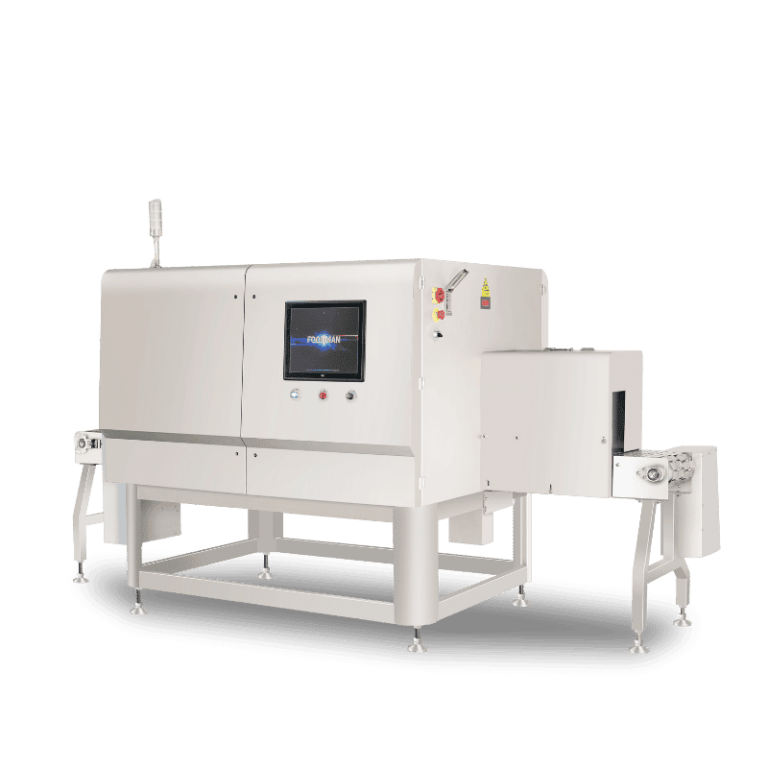
Integration with X-Ray or Vision Inspection for Challenging Products
Some products, such as multi-layered or densely packed items, may present challenges for metal detection alone. Integrating metal detector for food production line systems with X-ray or vision inspection provides a layered inspection approach.
This integration improves inspection reliability and ensures that what can a metal detector detect is complemented by imaging technologies capable of detecting other foreign materials or packaging defects. Combining systems helps operators understand how a metal detector works within a broader quality control framework, enhancing overall contamination control and food safety.
Staff Training and Operational Best Practices
Even the most advanced metal detector in food industry systems require well-trained staff to maximize performance. Operators must understand how does a metal detector work, how sensitivity and calibration affect what do metal detectors detect, and how product characteristics or line conditions influence results.
Implementing operational best practices—such as consistent product presentation, proper conveyor setup, and regular equipment checks—ensures reliable detection accuracy and reduces false rejects. Investing in training not only enhances system performance but also supports compliance with regulatory standards and maintains high food safety levels across all shifts.
Conclusion
Summary of Key Product Factors Affecting Metal Detector Accuracy
Accurate metal detection is influenced by a variety of product characteristics. Moisture content, salt levels, density variations, packaging materials, and product size or orientation all play a critical role in determining how a metal detector works and what it can reliably detect.
In practical metal detector in food industry applications, understanding what do metal detectors detect and what can a metal detector detect under different product conditions is essential. High-speed production lines, conveyor stability, and environmental factors like temperature and vibration further impact detection performance, influencing both false rejects and missed contaminants. A comprehensive awareness of these factors allows operators to maintain inspection reliability and consistent food safety outcomes.
Recommendations for Food Manufacturers to Optimize Detection
Food manufacturers can take several steps to optimize metal detector for food production line performance. Key recommendations include:
Regular calibration and sensitivity adjustments tailored to product types.
Selection of multi-frequency or advanced detection systems to handle challenging products.
Proper conveyor setup, spacing, and packaging orientation to reduce interference.
Integration with complementary technologies, such as X-ray or vision inspection, for complex items.
Ongoing staff training to understand how does a metal detector work and interpret system signals correctly.
By implementing these strategies, food industry metal detectors can achieve high detection reliability, minimize false rejects, and ensure that what can a metal detector detect remains consistent across varying production conditions.
Emphasis on Balancing Product Characteristics, Line Conditions, And Food Safety Standards
Ultimately, optimizing metal detection requires a balanced approach. Manufacturers must consider the interaction between product characteristics, line conditions, and system capabilities to maintain both operational efficiency and food safety.
Understanding how the metal detector works in real production scenarios allows operators to fine-tune sensitivity, compensate for product or environmental variations, and ensure accurate contaminant detection. Maintaining this balance reduces downtime, minimizes product loss, and reinforces consumer trust while keeping metal detector in food industry systems compliant with HACCP, GFSI, and other regulatory standards.
By prioritizing both detection performance and safety, food manufacturers can ensure that metal detector for food production line operations deliver reliable, efficient, and compliant inspection across all product types and production conditions.
FAQ
Q: Why is accurate metal detection critical in food production lines?
A: Accurate metal detection ensures products are free from ferrous, non-ferrous, and stainless steel contaminants, maintaining food safety, regulatory compliance, and consumer trust.
Q: What factors influence metal detector performance in food industry applications?
A: Product characteristics like moisture, salt content, density, size, shape, packaging materials, and orientation, as well as line conditions such as speed, vibration, and temperature, all impact how a metal detector works and what it can reliably detect.
Q: How does product packaging affect metal detector sensitivity?
A: Packaging materials, thickness, layers, and vacuum-sealing can interfere with the electromagnetic field, creating false rejects or masking contaminants. Multi-frequency detectors and proper calibration help maintain detection reliability.