Introduction
Overview of Metal Detection in Modern Food Production and Its Role in Food Safety and Quality Assurance
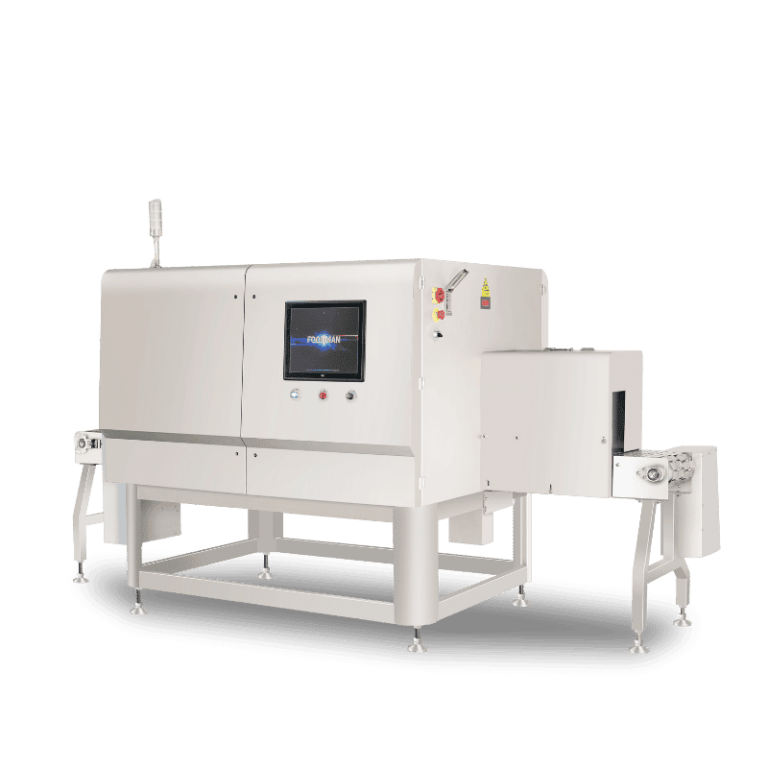
In modern food manufacturing, ensuring food safety is a top priority. Contaminants such as ferrous, non-ferrous, or stainless-steel fragments can enter products at various stages of processing, packaging, or handling. This is where food industry metal detectors play a critical role. These devices act as the frontline defense, preventing metal contamination from reaching consumers and protecting brand reputation.
Many manufacturers ask what do metal detectors detect or what can a metal detector detect. Typically, they identify tiny metal particles that may originate from processing equipment, raw materials, or packaging components. Understanding how a metal detector works is essential for designing effective quality assurance systems. Metal detectors in food industry applications are not just compliance tools—they are integral to maintaining consistent product quality, reducing recalls, and supporting global standards such as HACCP and GFSI.
The Emergence of Cloud-Based Monitoring Systems in Industrial Automation
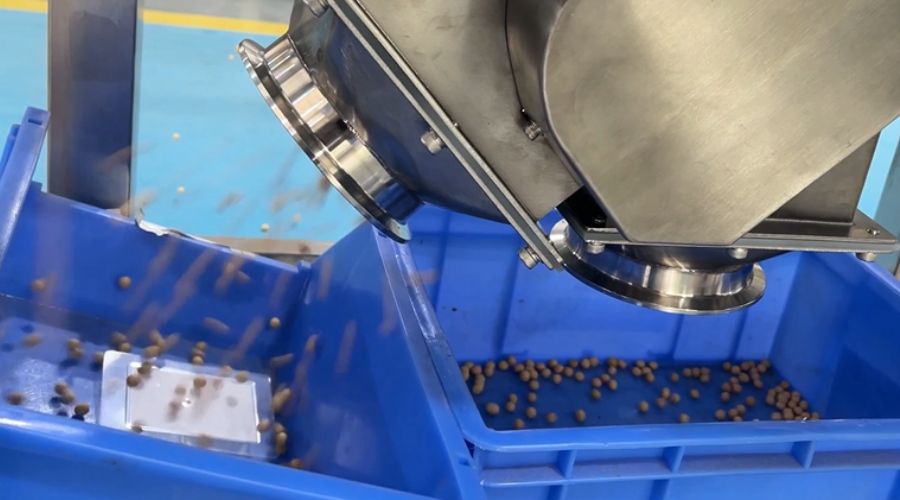
As production lines become faster and more complex, traditional standalone metal detector for food production line systems can struggle with data management and timely reporting. Enter cloud-based monitoring systems, which are transforming industrial automation. These platforms enable manufacturers to collect, store, and analyze inspection data in real-time, across multiple lines and even multiple facilities.
By leveraging cloud technology, food manufacturers gain centralized visibility into metal detector in food industry performance, traceability of contamination events, and insights into production line efficiency. Integration with the cloud also facilitates remote monitoring, predictive maintenance, and automated alerts, reducing downtime and operational costs while enhancing food safety compliance.
How Integrating Metal Detectors with Cloud Technology Transforms Real-Time Monitoring, Traceability, And Data Analytics
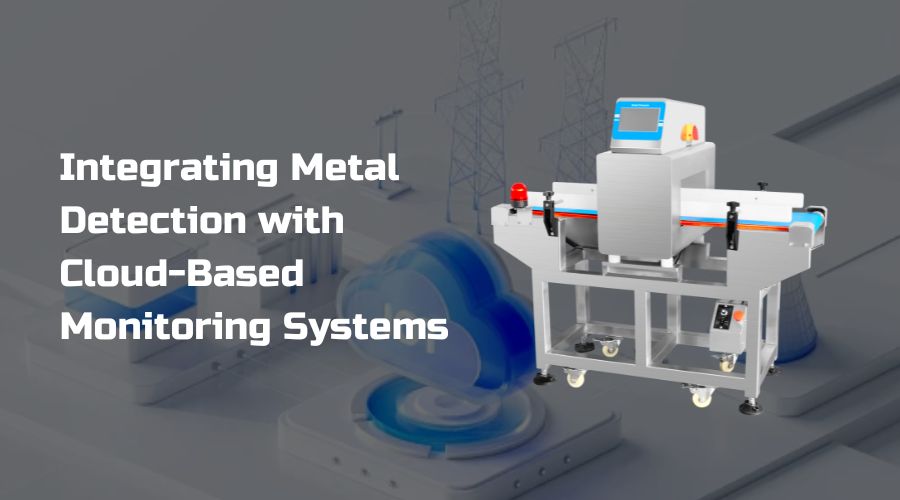
Integrating metal detectors with cloud-based monitoring systems takes contamination control to a new level. Instead of relying on manual logs or local storage, inspection data is transmitted in real-time to secure cloud dashboards. This allows plant managers to see exactly how a metal detector works, monitor product flows, and quickly respond to anomalies.
Furthermore, cloud integration improves traceability, enabling manufacturers to track contamination events from raw material intake through finished product dispatch. Advanced data analytics reveal trends in detector performance, highlight frequent false rejects, and optimize settings to enhance sensitivity. By combining metal detector for food production line functionality with cloud analytics, manufacturers can confidently ensure that what do metal detectors detect is reliably captured, while minimizing waste and improving overall production efficiency.
In essence, cloud-connected metal detectors represent a convergence of traditional food industry metal detectors with modern IoT and data-driven solutions, providing a powerful tool for maintaining food safety, operational efficiency, and regulatory compliance.
The Need for Cloud Integration
Challenges with Traditional Standalone Metal Detectors: Manual Reporting, Limited Analytics, Delayed Response
Traditional metal detector in food industry setups often operate as standalone units, providing limited visibility beyond the immediate production line. Data is usually logged manually or stored locally, making it difficult for plant managers to monitor performance across multiple lines in real-time.
This raises key questions for operators, such as how does a metal detector work under varying line speeds, or what do metal detectors detect consistently throughout production. Without integrated reporting, issues like false rejects, missed contaminants, or equipment malfunctions may go unnoticed until routine inspections or audits.
Moreover, the lack of advanced analytics limits the ability to understand trends in detection sensitivity, equipment wear, or contamination patterns. Delayed responses to anomalies can compromise food safety, reduce line efficiency, and increase operational costs, particularly in high-speed production environments where rapid intervention is critical.
Benefits of Cloud Integration: Centralized Monitoring, Remote Access, Historical Data Storage
Cloud integration addresses these challenges by connecting metal detectors for food production line to secure, centralized platforms. Data from multiple detectors can be collected in real-time, enabling managers to monitor system performance, track contamination events, and evaluate detector sensitivity across all lines.
Key benefits include:
Centralized monitoring: All production lines are visible in a single dashboard, reducing the risk of overlooked issues.
Remote access: Managers can observe how a metal detector works and respond to alerts from any location, even across multiple facilities.
Historical data storage: Long-term performance records enable trend analysis, predictive maintenance, and improved traceability for regulatory compliance.
By leveraging these capabilities, manufacturers can optimize the performance of food industry metal detectors, ensure food safety, and reduce both false rejects and unnecessary product waste.
Importance for High-Speed, Multi-line Metal Detector in Food Industry Operations
In modern high-speed food production, many facilities operate multiple lines simultaneously, each equipped with metal detector in food industry systems. In such environments, understanding what can a metal detector detect across varying product types and line conditions is essential.
Cloud-connected systems provide synchronized insights from all lines, ensuring consistent detection sensitivity and enabling real-time decision-making. For example, managers can quickly identify if a specific line is underperforming or if a detector’s sensitivity needs adjustment without stopping production.
For metal detector for food production line applications, this is particularly valuable. High-speed operations demand rapid, reliable inspection, and cloud integration ensures that how a metal detector works is continuously monitored, while maintaining compliance with HACCP, GFSI, and other food safety standards.
Ultimately, integrating metal detectors with cloud-based monitoring systems allows food manufacturers to scale operations, optimize production efficiency, and maintain a proactive approach to food safety management.
How Cloud-Connected Metal Detectors Work
Basic Operation of Metal Detectors and What They Detect (Ferrous, Non-ferrous, Stainless Steel)
Understanding how a metal detector works is the first step in integrating it with cloud-based systems. Metal detectors in food industry are designed to identify metallic contaminants in products, including ferrous, non-ferrous, and stainless-steel fragments. These devices generate an electromagnetic field, and when a metal particle passes through, it creates a disturbance that triggers a detection signal.
Many operators ask what do metal detectors detect or what can a metal detector detect. In practice, detection capabilities depend on product type, size of the metal fragment, aperture dimensions, and conveyor presentation. High-quality metal detector for food production line installations ensure that even minute contaminants are identified, supporting food safety, product integrity, and regulatory compliance.
How Detection Signals Are Captured, Digitized, And Sent to Cloud Dashboards
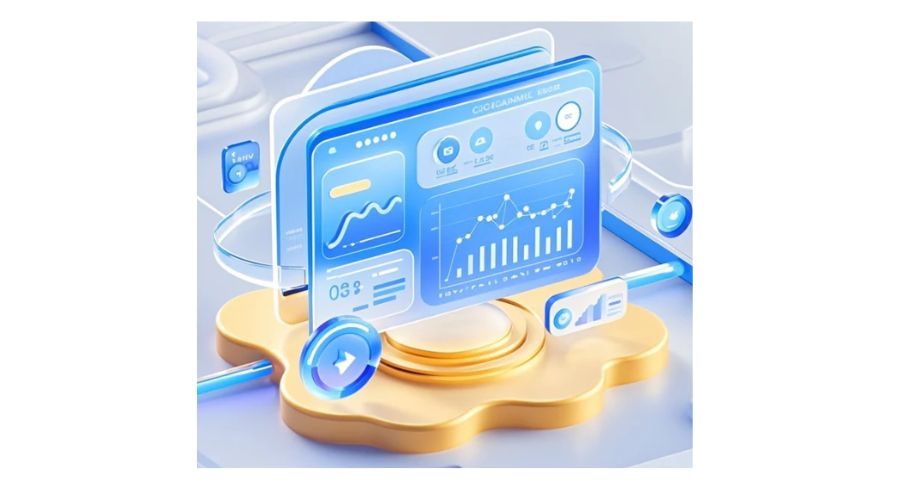
In cloud-connected systems, the detection process goes beyond the traditional alarm signal. When the metal detector identifies a contaminant, the signal is captured and digitized in real-time. This digital data includes detailed information such as the location, time, line number, and even product type.
The digitized signals are then transmitted securely to cloud dashboards, where managers and quality teams can view inspection results across multiple lines and facilities. This process provides real-time monitoring and historical tracking, enabling proactive responses to contamination events. By integrating metal detector in food industry outputs with cloud analytics, manufacturers gain actionable insights into detector performance, reducing false rejects and ensuring consistent food safety standards.
Role of IoT Sensors and Secure Network Protocols in Transmitting Real-Time Data
IoT sensors are key enablers in cloud-connected metal detection systems. They monitor the operational status of detectors, conveyor movement, and environmental factors such as vibration or temperature. These sensors ensure that data representing how the metal detector works is accurate and reliable before being transmitted to the cloud.
Secure network protocols, including encrypted data channels and authentication measures, protect sensitive production information while allowing real-time data transfer. This ensures that critical insights on what can a metal detector detect are delivered without delays or corruption, even in high-speed metal detector for food production line operations.
With IoT-enabled cloud integration, manufacturers can remotely monitor detector performance, identify trends, and predict maintenance needs, all of which strengthen food safety, optimize throughput, and improve operational efficiency.
Key Advantages of Cloud-Based Monitoring
Real-Time Alerts and Remote Management of Multiple Production Lines
Cloud-based monitoring allows operators to receive real-time alerts when a metal detector in food industry identifies contamination. This feature is crucial in multi-line production environments, where manual checks or local alarms may delay response and compromise food safety.
Remote dashboards provide a centralized view of all lines, enabling managers to observe how a metal detector works across different locations, adjust settings, and intervene immediately when required. By eliminating dependence on on-site inspection alone, cloud integration enhances operational efficiency and ensures that every metal detector for food production line maintains consistent detection performance.
Data-Driven Insights for Reducing False Rejects and Improving Detection Sensitivity
By collecting and analyzing digital detection signals in the cloud, manufacturers can gain actionable insights into what do metal detectors detect and what can a metal detector detect under varying conditions.
Historical data enables trend analysis on false rejects, product presentation inconsistencies, and detection sensitivity variations. For food industry metal detectors, these insights inform adjustments to conveyor speed, product spacing, or detector sensitivity, minimizing unnecessary product waste while maintaining high contamination detection standards.
Cloud analytics also support continuous improvement programs, allowing teams to optimize how a metal detector works for different product lines and production speeds.
Traceability and Compliance Support for HACCP, GFSI, and Regulatory Audits
Cloud-connected metal detectors for food production line create a robust traceability framework. Every detection event, alert, and adjustment is securely logged and timestamped, providing complete records for regulatory compliance.
These capabilities support HACCP plans, GFSI standards, and third-party audits by demonstrating how metal detector in food industry systems maintain consistent food safety practices. Additionally, cloud-based records make it easier to respond to customer inquiries, track contamination sources, and ensure accountability across production facilities.
Predictive Maintenance and Performance Tracking of Metal Detector for Food Production Line
Cloud monitoring also enables predictive maintenance, helping operators anticipate equipment issues before they cause downtime. By analyzing patterns in detection signals, vibration data, or operational inconsistencies, manufacturers can identify when a metal detector for food production line requires service or calibration.
Performance tracking dashboards provide insights into how a metal detector works over time, allowing adjustments to maintain optimal sensitivity and reliability. This proactive approach reduces unplanned stops, extends equipment lifespan, and ensures continuous compliance with food safety standards across multiple production lines.
Considerations for Successful Integration
Network Reliability and Cybersecurity Concerns
Successful cloud integration of metal detectors for food production line relies on stable and secure network connectivity. Reliable network infrastructure ensures that data representing how a metal detector works is transmitted without interruption, providing real-time alerts and continuous monitoring.
Cybersecurity is equally critical. Cloud-connected systems handle sensitive production and quality assurance data, including what do metal detectors detect and historical detection logs. Implementing secure protocols, firewalls, and encryption protects against unauthorized access, ensuring data integrity and compliance with food safety regulations.
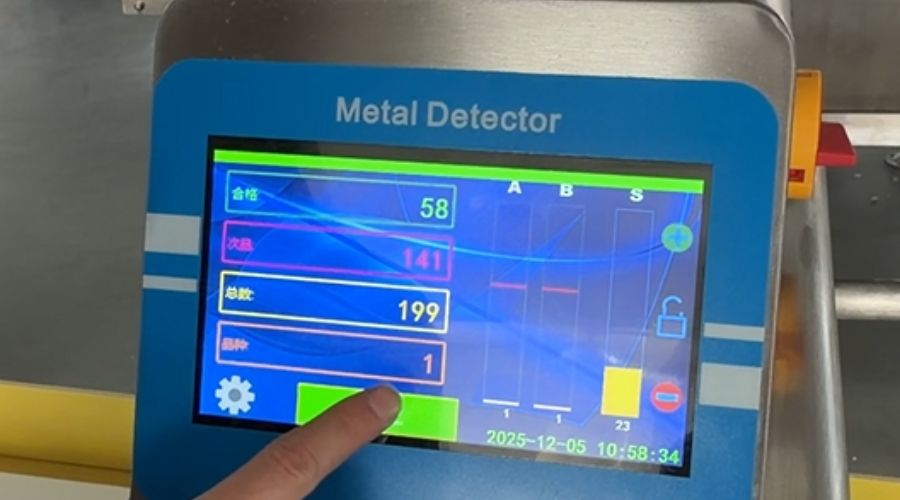
Compatibility with Existing Food Industry Metal Detectors and Conveyor Systems
Before integration, manufacturers must verify that their current metal detector in food industry and conveyor systems are compatible with cloud-based monitoring platforms. Not all detectors provide digital outputs suitable for IoT connectivity, so understanding how a metal detector works in terms of signal capture, trigger events, and reject mechanisms is essential.
Ensuring compatibility allows seamless data transmission from multiple lines, preserves detection sensitivity, and supports consistent monitoring across production sites. Properly aligned systems also optimize what can a metal detector detect, reducing missed contaminants and false rejects.
Data Accuracy, Latency, And Synchronization with Production Events
Cloud monitoring is only effective if the transmitted data accurately reflects production conditions. Delays or latency in reporting detection events can compromise food safety and reduce operational efficiency.
Understanding how a metal detector works in real-time ensures that detection signals are synchronized with conveyor movement, reject mechanisms, and product flow. For high-speed metal detectors for food production line, precise synchronization is essential to reliably identify what can a metal detector detect while minimizing false rejects and production downtime.
Staff Training and System Adoption for Maximum Efficiency
Even the most advanced cloud-connected food industry metal detectors require knowledgeable staff to fully leverage their capabilities. Training ensures operators understand how the metal detector works, how to interpret cloud dashboards, and how to respond to alerts.
Educated staff can monitor what do metal detectors detect trends, adjust system parameters for different products, and collaborate with maintenance teams for predictive upkeep. Proper adoption increases system reliability, reduces human error, and maximizes the benefits of real-time monitoring for food safety and operational performance.
Case Studies and Applications
Examples of Food Manufacturers Using Cloud-Connected Metal Detectors for Improved Safety and Efficiency
Several leading food manufacturers have successfully implemented cloud-connected metal detectors for food production line to enhance both food safety and operational efficiency. For instance, a major bakery producer integrated its existing metal detector in food industry systems with a cloud monitoring platform to track contamination events across multiple production lines.
By understanding how a metal detector works, the manufacturer could remotely monitor detection signals in real time, quickly identify any deviations, and respond immediately to prevent contaminated products from reaching packaging. Similarly, a dairy processing facility leveraged cloud integration to monitor what do metal detectors detect, ensuring even minor ferrous and non-ferrous fragments were flagged consistently without increasing false rejects.
Insights on How Integration Helped Optimize Product Quality, Line Uptime, And Regulatory Compliance
Cloud integration allows manufacturers to analyze historical and real-time data, providing actionable insights into how the metal detector works during production. This enabled companies to optimize product presentation, conveyor speed, and detector sensitivity, which improved what can a metal detector detect while reducing downtime.
Additionally, cloud-based systems facilitate automatic record-keeping for HACCP, GFSI, and regulatory audits. Food industry metal detectors now log every detection event, alert, and system adjustment digitally, ensuring traceability and full compliance. In practice, integrating metal detector for food production line systems with cloud technology has led to higher product quality, more predictable line uptime, and improved operational efficiency.
Lessons Learned and Best Practices for Implementation
From these case studies, several best practices emerge for integrating cloud-connected food industry metal detectors:
Ensure network reliability and cybersecurity to protect sensitive detection data.
Verify compatibility between existing metal detector in food industry systems, conveyors, and cloud dashboards.
Maintain accurate synchronization between detection events and production processes to maximize how a metal detector works.
Provide staff training to interpret cloud dashboards, respond to alerts, and maintain the system proactively.
By following these lessons, manufacturers can fully leverage cloud technology, improving food safety, detection reliability, and operational intelligence across multiple production lines. Properly executed integration allows companies to understand what do metal detectors detect in real time, make data-driven adjustments, and ensure that every metal detector for food production line operates at peak efficiency.
Conclusion and Recommendations
Summary of the Benefits of Integrating Metal Detectors with Cloud-Based Monitoring Systems
Integrating metal detectors for food production line with cloud-based monitoring provides numerous advantages for modern food manufacturers. Cloud connectivity enables real-time monitoring of detection signals, allowing operators to quickly identify and respond to potential contamination events. This enhances food safety by ensuring that what do metal detectors detect is continuously tracked, and minor ferrous, non-ferrous, or stainless-steel fragments are promptly addressed.
Additionally, cloud-based systems support historical data storage and analytics, offering insights into trends, line performance, and reject events. Understanding how a metal detector works within this ecosystem allows manufacturers to improve detection sensitivity, reduce false rejects, and optimize production efficiency.
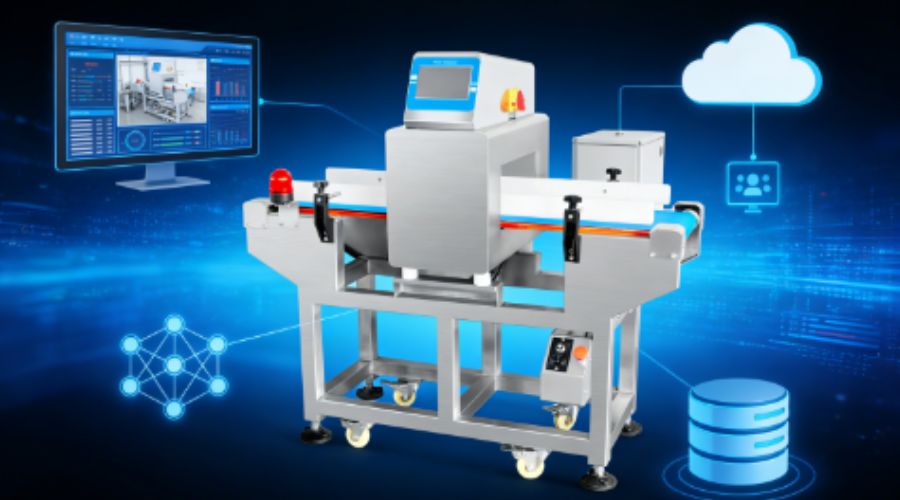
Emphasis on System-Level Approach: Metal Detector + Conveyor + Cloud Analytics
The effectiveness of cloud-connected monitoring is maximized when considered as part of a system-level solution. It is not enough to only upgrade the metal detector in food industry; the conveyor, product presentation, reject mechanism, and cloud analytics must all work together seamlessly.
By monitoring how the metal detector works alongside conveyor performance and production line variables, manufacturers can accurately assess what can a metal detector detect under real operating conditions. This integrated approach improves reliability, reduces contamination risk, and ensures that food industry metal detectors operate at peak performance across multiple production lines.
Final Recommendations for Food Manufacturers Considering This Technology: Scalability, Training, Data Security, And Ongoing Monitoring
For food manufacturers evaluating cloud-connected metal detector for food production line solutions, several key recommendations emerge:
Scalability – Choose systems capable of supporting multiple production lines, future expansions, and high-speed operations without compromising detection accuracy.
Staff Training – Ensure operators and quality teams understand how a metal detector works, can interpret cloud dashboards, and respond to alerts effectively.
Data Security – Implement secure network protocols, encrypted communication, and proper access control to safeguard sensitive production and safety data.
Ongoing Monitoring and Maintenance – Continuously analyze detection trends, adjust system settings, and schedule predictive maintenance to maintain high food safety standards and operational efficiency.
By following these recommendations, manufacturers can fully leverage the combination of advanced food industry metal detectors and cloud analytics, ensuring accurate contamination detection, optimized production performance, and reliable compliance with industry standards.
FAQ
Q: Why integrate metal detectors with cloud-based systems?
A: Integration allows real-time monitoring, centralized data access, historical recordkeeping, and analytics, improving food safety compliance and operational efficiency.
Q: What are the key benefits of cloud-connected metal detectors?
A: They enable remote line monitoring, predictive maintenance, detection trend analysis, reduction of false rejects, and support HACCP and regulatory audits.
Q: What considerations are critical for cloud integration?
A: Ensure network reliability, cybersecurity, data accuracy, synchronization with production events, and staff training for efficient system adoption.