Introduction
Ensuring Food Quality and Safety Through Inspection
Food safety is no longer a hidden concern but a global priority directly impacting public health, brand reputation, and regulatory compliance. With increasingly complex food supply chains and growing production volumes, manufacturers must adopt advanced inspection technologies to prevent contamination and ensure product integrity. Among the many reliable solutions, metal detectors and X-ray food inspection systems play a crucial role and are indispensable components of modern food quality assurance systems.
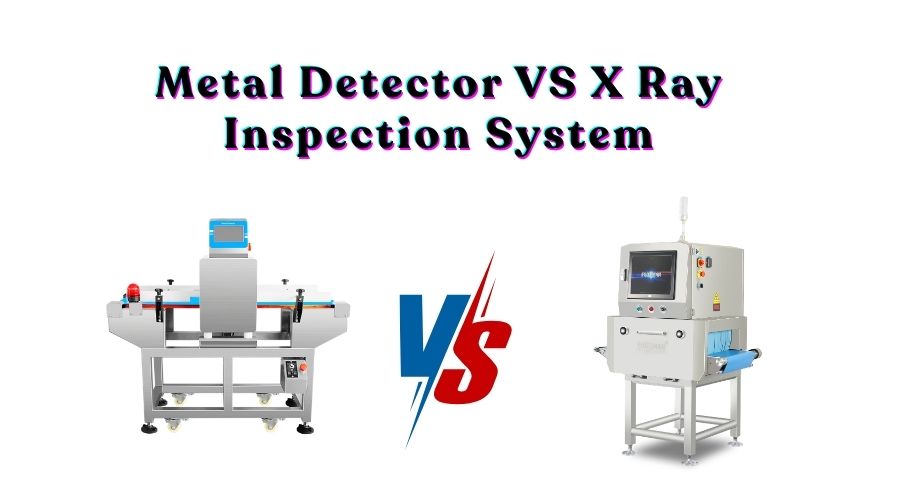
Metal detectors are widely used for their cost-effectiveness. They are adept at identifying metal contaminants in various food items.
X-ray systems, on the other hand, offer broader detection capabilities. They can identify non-metallic contaminants like glass and bone.
Choosing between these systems depends on specific production needs. Factors like product type and packaging influence this decision.
Implementing both technologies can enhance food safety strategies. This layered approach ensures comprehensive contamination detection.
This article will explore the principles, applications, performance comparisons, and strategic deployment of metal detection and X-ray inspection technologies to effectively enhance food safety.
Metal Detectors Principle
Metal foreign object detectors utilize electromagnetic field technology to detect electromagnetic field disturbances caused by metal contaminants. They identify metal impurities based on the differences in the magnetic fields of various metal foreign objects.
When a metal object passes through the detection area, it disrupts the electromagnetic balance, triggering an alarm or an automatic rejection mechanism. Modern advanced best metal detectors can identify ferrous, non-ferrous, and stainless steel contaminants, even detecting extremely small metal particles.
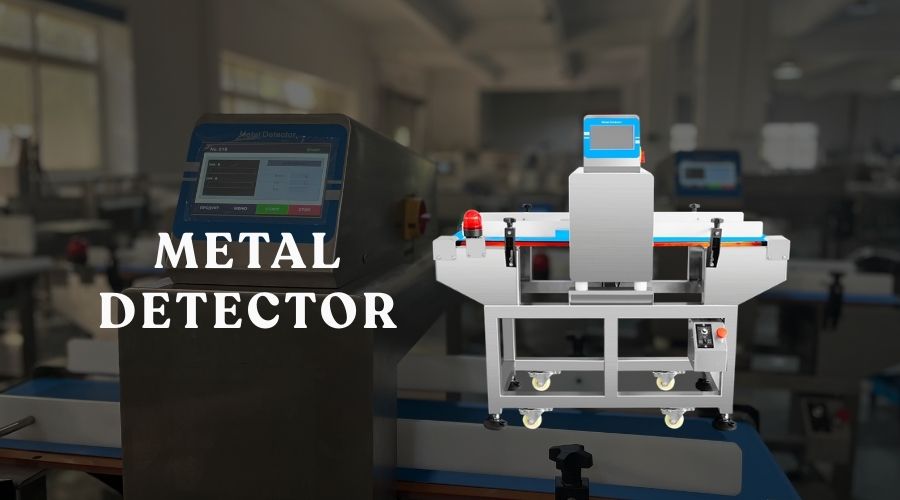
How Industrial Metal Detectors Work in Food Safety
Metal detectors are often the first line of defense in food safety testing. Their primary function is to prevent metal contaminants from entering the consumer supply chain, thereby protecting public health and brand reputation.
Common applications include:
Detecting metal fragments generated by processing machinery
Inspecting raw materials and finished products
Ensuring compliance with HACCP and GMP requirements
Reducing recall risks and legal liabilities
Food metal detectors are particularly effective in products with a high risk of metal contamination, such as dry goods, powders, grains, and packaged foods. Many manufacturers rely on high-quality food metal detector because they are easy to operate, reliable, and can be seamlessly integrated into existing production lines.
In conclusion, industrial best metal detectors play a crucial role in maintaining food safety. They ensure products are free from harmful metal contamination. Their benefits make them a preferred choice for many food manufacturers.
X-ray Systems Principle
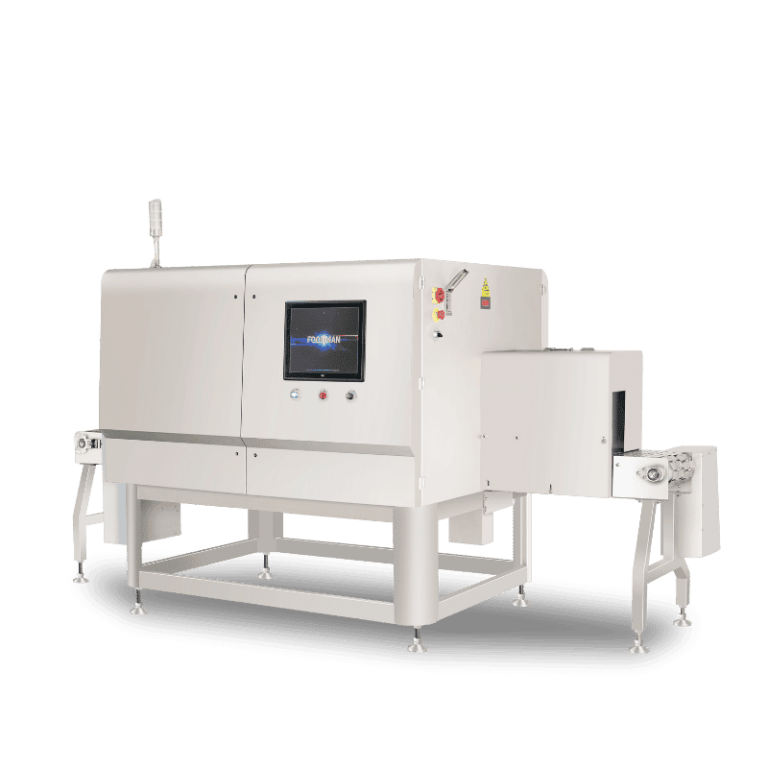
Unlike metal detectors, X-ray food inspection systems detect objects based on density differences rather than electromagnetic properties. By penetrating the product with X-rays, the system measures how much radiation is absorbed by different materials. Denser substances such as metal or bone absorb more X-rays and appear darker in the resulting image, enabling the system to identify foreign contaminants or product defects and trigger alerts accordingly.
These systems can penetrate various packaging types. This feature allows inspection of products with high moisture content.
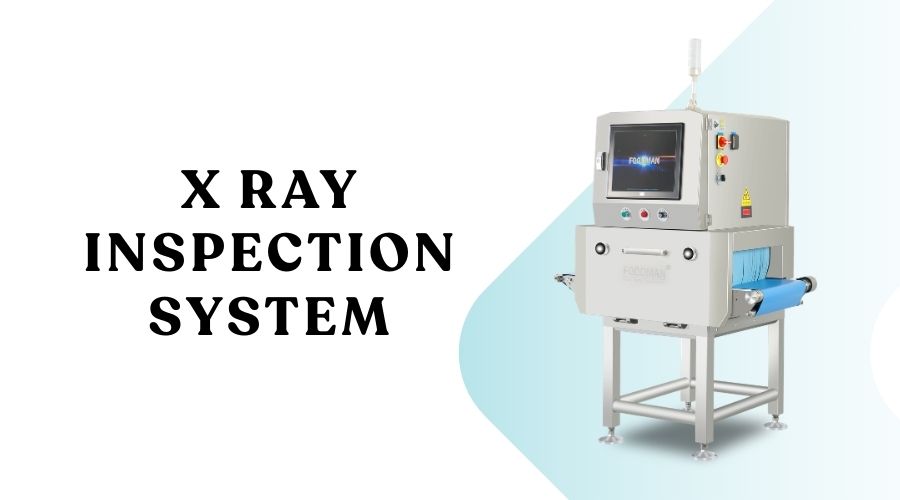
How X-ray Systems Operate in Food Inspection
X ray food inspection equipment provide more than just detection. They can verify product integrity, checking for missing or damaged items.
- Key advantages of X-ray systems include:Detection of non-metallic contaminants.
- Ability to ensure fill levels and packaging quality.
High level of accuracy in diverse conditions.
In summary, X ray food inspection systems offer comprehensive inspection capabilities. Their ability to handle complex detection tasks makes them invaluable in food safety. Industries benefit from their detailed analysis, ensuring consumer protection and product quality.
Metal Detectors vs. X-ray Systems
Detection capabilities are crucial when comparing best metal detectors and X-ray systems. Each system has distinct strengths, useful for different contamination challenges.
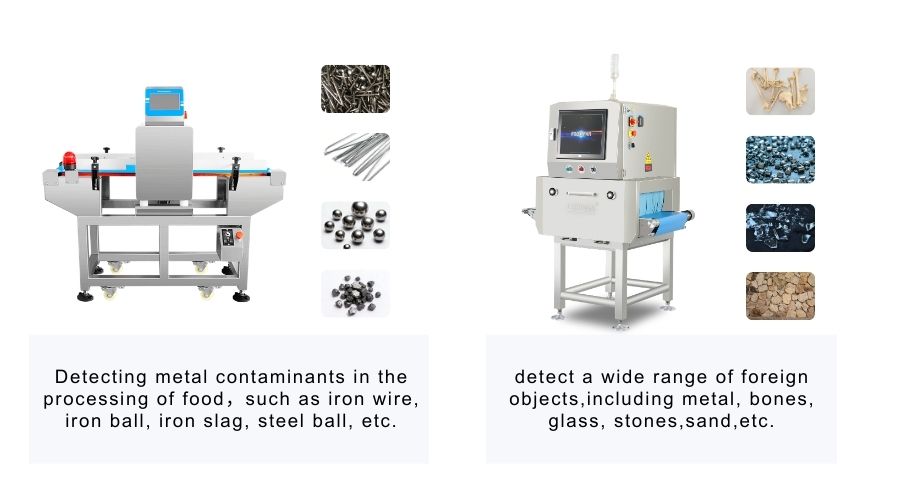
In contrast,X ray food inspection systems can detect non-metallic foreign objects. They can identify contaminants such as glass, bone, and high-density plastics, whereas food metal detectors cannot detect foreign objects like glass fragments or hard plastics.
Choosing the appropriate system depends on several factors, including the type of contaminants most likely to be present in the product. The selection between metal detectors and X-ray systems needs careful evaluation. Understanding their detection strengths ensures optimal food safety strategies. Effective contaminant detection enhances consumer safety and product quality assurance.
Currently, leading manufacturers are increasingly combining metal detectors and X-ray food inspection systems. This layered approach maximizes detection accuracy and ensures comprehensive protection against a variety of contamination risks.
Advanced Features and Innovations in Detection Technology
Advancements in detection technology are revolutionizing food safety equipment. Modern systems boast sophisticated features that enhance detection accuracy and efficiency. These innovations cater to evolving industry needs.
Industrial metal detectors now employ multi-spectrum frequency technology. This improves their sensitivity to different types of metals. X-ray systems, meanwhile, utilize advanced imaging software, offering precise identification of foreign objects.
- Key advancements in detection technology include:Real-time data analysis and reporting
- Automated reject systems for contaminated products
Enhanced software for improved user interface
As technology advances, detection systems become more user-friendly and reliable. These innovations support rigorous quality control in the food industry. They ensure that safety standards and consumer trust are maintained, reinforcing a safer supply chain.
When to Use Metal Detectors, X-ray Systems, or Both
Determining when to use metal detectors versus X-ray systems is crucial for optimizing food safety strategies. Each system has specific strengths, making certain applications more suitable for one over the other.
Metal detectors are ideal for products prone to metal contamination. They are effective in environments where cost is a concern and maintenance simplicity is valued. Their compact design fits easily into existing production lines.
X-ray systems excel in environments with diverse contamination risks. They are especially beneficial for detecting non-metallic contaminants like bone or glass. Their capability to perform product integrity checks adds value beyond contamination detection.
- Consider these factors when choosing the appropriate system:Type of contaminants most likely in the product
- Product characteristics, such as moisture content
Budget constraints and available space
For comprehensive assurance, employing both systems can be advantageous. This layered approach enhances detection capability and minimizes risk. It supports a proactive, thorough strategy in food safety management.
Real-Life Use Applications
Examining real-life applications provides insights into the effectiveness of detection systems. Consider a confectionery company that faced a challenge with metal contaminants. By implementing industrial food metal detector, they reduced contamination incidents significantly. This change boosted consumer trust and reduced recall risks.
Another example is a dairy producer who adopted X-ray systems for their diverse contaminant detection. These systems identified not only metal but also foreign items like glass and bone fragments. Such comprehensive inspection improved their brand reputation and customer satisfaction.

- A snack food manufacturer utilized both metal detectors and X-ray systems. This dual approach ensured comprehensive quality control. It minimized contamination risk and enhanced product integrity. As a result, they saw an increase in sales due to the reliability of their products.Confectionery reduced metal contamination with detectors
- Dairy producer enhanced safety with X-ray systems
Snack manufacturer benefited from dual detection approach
These case studies highlight the tangible benefits of strategic equipment use. They demonstrate how tailored solutions can meet specific needs, optimize safety, and protect brand reputation.
Conclusion
In today’s highly competitive market, ensuring food safety requires not only compliance with regulations but also strategic investment in reliable detection technologies. Metal detectors remain crucial for efficient and cost-effective detection of metal contaminants, while X-ray food inspection systems offer comprehensive detection capabilities that go beyond metal detection.
By understanding the principles, applications, and comparative advantages of each technology, food manufacturers can develop inspection strategies that protect consumers, enhance brand trust, and meet evolving regulatory requirements. Whether deploying food metal detector, advanced X-ray food inspection equipment, or a combination of both, the goal remains the same: safer food and higher quality standards.
FAQ
While metal detectors are very effective at detecting metal contaminants, they cannot detect non-metallic foreign objects. For complex products, an X-ray food inspection system is recommended.
This depends on your needs. If your product only needs to be checked for metal foreign objects, you can choose a metal detector. If you need to detect other abnormalities besides metal foreign objects, such as glass fragments, stones, or packaging defects, you can choose an X-ray foreign object detection machine, which provides a more comprehensive detection range.
Yes. Many manufacturers use both metal detectors and X-ray food inspection systems. Metal detectors are typically installed before processing to remove unpackaged products containing metal contaminants, helping prevent damage to production equipment. X-ray systems are then used after processing and packaging to verify package integrity and detect other foreign objects, thereby maximizing food safety.