Introduction: When Tiny Sealing Defects Trigger Massive Financial Crises
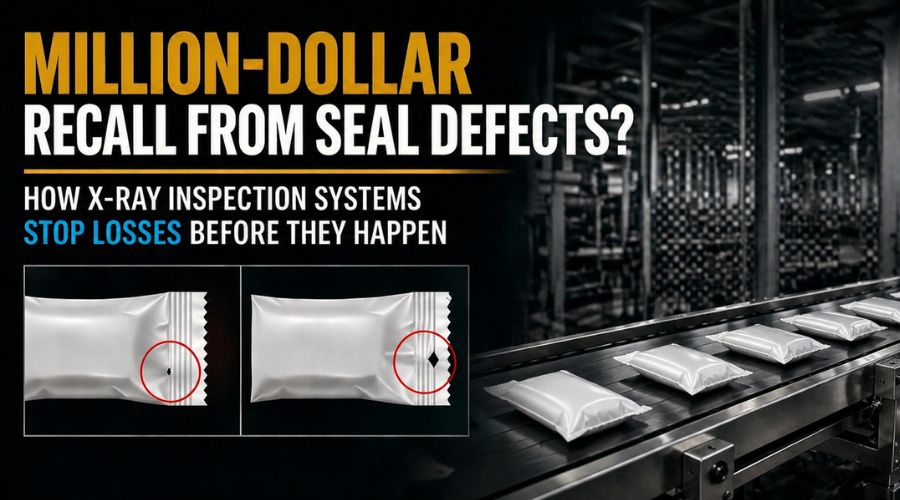
In the modern food processing, pharmaceutical manufacturing, and high-speed packaging industries, a seemingly trivial defect can trigger severe consequences that extend far beyond the confines of the production line. Minute leaks, residues entrapped within sealing zones, or undetected grease seepage may appear innocuous at first glance. Yet, it is precisely these subtle flaws that often prove to be the culprits behind product spoilage, contamination, regulatory penalties, and even large-scale product recalls.
Traditional seal inspection methods—such as manual visual inspection or destructive sampling—can no longer keep pace with the demands of modern automated manufacturing. For many manufacturers, a single product recall can easily result in financial losses amounting to hundreds of thousands, or even millions, of dollars. Consequently, businesses today face an urgent need to deploy X-ray inspection systems for packaged foods and various other packaged goods, thereby enabling real-time, non-destructive, and 100% inline inspection.
This article will delve into the following topics: precisely how seal defects can trigger catastrophic product recalls; why traditional inspection methods often prove inadequate; and how x-ray inspection for packaged products can empower manufacturers to effectively mitigate substantial financial losses.
Real-World Case Study: How a Multi-Million Dollar Product Recall Unfolds
Analysis of a Typical Recall Scenario
In 2022, Abbott initiated a recall of select Similac Alimentum ready-to-feed products after confirming the presence of packaging defects; subsequently, the U.S. Food and Drug Administration (FDA) classified this action as a “Class II recall.”
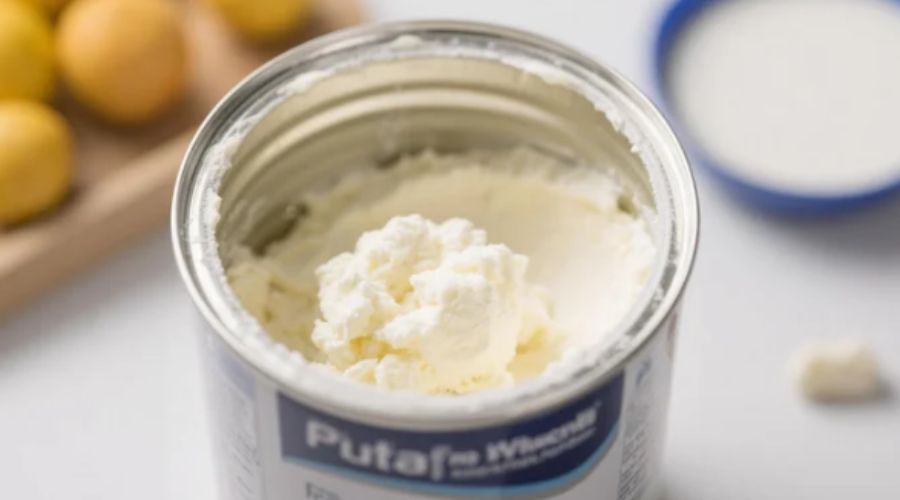
Although the manufacturer did not disclose specific details regarding the mechanical failure, this incident clearly demonstrates that even seemingly minor issues concerning packaging integrity can rapidly escalate into major quality crises. In the realm of infant and pediatric nutrition products, any defect involving seal performance, cap integrity, or packaging leakage poses a risk of exposing the product to oxygen, moisture, or microbial contamination.
The consequences are often immediate and far-reaching: product quarantine and containment, market withdrawal and removal, logistics and transportation losses, retailer claims and liability disputes, and significant damage to brand reputation.
For manufacturers operating high-speed packaging lines, this case serves as an unmistakable wake-up call. If left undetected, even the slighinspection deviation in seal integrity can quickly spiral into a full-scale product recall affecting entire production batches.
Such incidents are by no means isolated occurrences. In the pharmaceutical sector—specifically within the realm of blister packaging—minute gaps in the seal can allow external moisture to permeate the package, thereby severely compromising the stability and shelf life of the medication. Similarly, for vacuum-packaged meat or seafood products, tiny leaks often lead to bacterial proliferation, product discoloration, and premature expiration.
These cases underscore why the question of “how to inspection packaging seal integrity” has emerged as a critical issue within the field of quality assurance.
Recall Cost Breakdown: Far Beyond Product Scrap
The actual costs incurred during a product recall extend far beyond the value of the scrapped products themselves.
- Product Scrap and Rework: This includes the cost of destroyed inventory, raw materials, labor, and wasted packaging materials.
- Reverse Logistics: Costs associated with warehousing, transportation, and the retrieval of products from retail outlets.
- Regulatory Compliance: Expenses related to investigations and corrective actions required to meet standards such as FDA, HACCP, GMP, and export compliance regulations.
- Loss of Brand Trust: Of all the losses incurred, damage to a company’s reputation is often the most costly.
When tallying the costs outlined above, you will find that a seemingly “trivial” sealing defect incident can often result in total losses exceeding one million dollars. This is precisely why leading manufacturers today regard X-ray inspection systems as an “indispensable line of defense” for packaged food and pharmaceutical products. Consequently, the investment required to acquire X-ray inspection systems for packaged food inspection is often far lower than the severe financial and operational repercussions that can result from a failure to detect defects.
The "Invisible Killers" of Seal Defects: Contamination and Leaking Packages
Seal defects often leave no visible trace on the exterior of the package. The most dangerous defects of all are precisely those flaws that remain imperceptible to the naked eye:
Seal Contamination: Powders, granules, or liquids become entrapped between the sealing layers. This issue is commonly found in pouches containing cheese, coffee, detergents, and pharmaceuticals. These trapped contaminants create microscopic leak channels, allowing oxygen, moisture, or microorganisms to infiltrate the package interior.
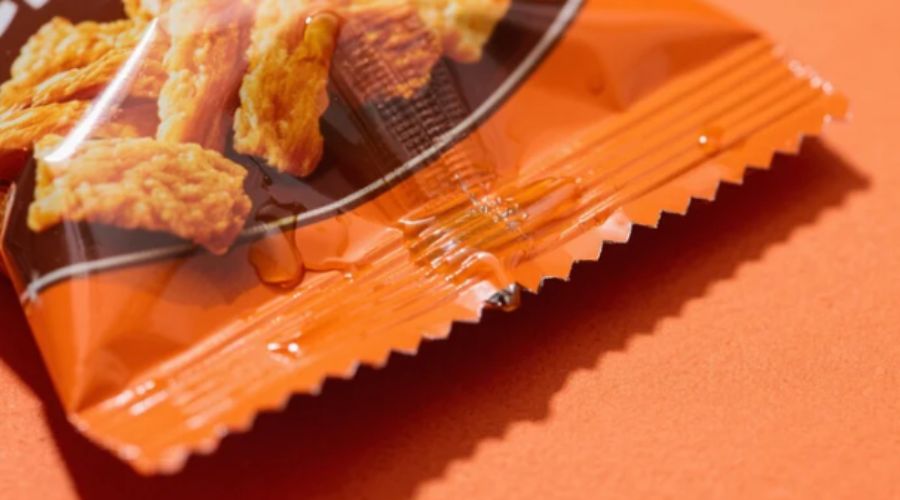
Oil Leakage: In high-temperature retort pouches, meat tray packaging, or pouches containing oily snacks, residual oils on the sealing surface can inhibit molecular bonding between the packaging materials. This often leads to delayed leakage—defects that may not manifest until weeks after production.
Incomplete Seals: Caused by insufficient temperature or uneven pressure distribution, resulting in a seal weld that fails to achieve a complete, airtight bond.
Pinholes & Creases: Typically caused by the packaging film creasing or wrinkling during the sealing process.
These defects are inherently unpredictable. One production batch may be flawless, while the very next batch could harbor “silent failures.” Without 100% comprehensive inspection, defective packages will continue their journey through distribution centers and retail outlets, ultimately landing in the hands of irate consumers. Therefore, mastering how to comprehensively inspect packaging seal integrity is the essential first step toward effective defect prevention.
The Fatal Flaws of Traditional Seal Inspection Methods
1. Manual Visual Inspection: Extremely High Missed-Detection Rates
Human operators are often unable to reliably identify foreign objects or contaminants embedded within the seal area. Operator fatigue, ambient lighting conditions, and production line speeds all significantly increase the risk of seal defects going undetected. On high-speed production lines processing over 150 packages per minute, manual inspection becomes a virtually impossible task. For this very reason, relying solely on manual inspection is considered one of the weakest methods for ensuring how to inspection packaging seal integrity.
2. Destructive Sampling: Incomplete Coverage
Random sampling allows for the inspection of only a minuscule fraction of the total output. For instance, inspecting just 20 packages out of a production run of 50,000 leaves massive blind spots in the inspection process; this creates a high probability that entire batches of defective products will go unnoticed and slip through quality control.
3. Leak inspectioning: Too Slow and Unable to Pinpoint Defects
Traditional vacuum- or pressure-based leak inspectioning methods are useful for determining whether a leak exists. However, they often fail to answer critical questions: Where is the defect located? What caused the defect? Which specific batch of products is affected? Furthermore, these methods are ill-suited for high-speed, in-line inspection environments.
Ultimately, none of these traditional inspection methods can achieve 100% in-line, non-destructive inspection. This is precisely where x-ray inspection for packaged products steps in—fundamentally disrupting traditional norms and ushering in a new era of quality control.
How X-Ray Inspection "Sees Through" Seal Defects
Principle of Transmission Imaging: Seeing Through Opaque Packaging
X-ray inspection systems designed to detect seal defects utilize low-energy X-rays. As these rays penetrate the packaging, they undergo differential absorption based on variations in the density of the materials present. Air gaps, contaminant particles, oil films, and areas where the seal is missing all manifest as distinct grayscale contrasts within the resulting image. Even aluminum foil pouches—which are impenetrable to visible light—become completely transparent when exposed to X-rays.
1. Penetration Imaging: Detection Through Opaque Packaging
Modern x-ray inspection for packaged products operates by analyzing density variations.
Even when faced with packaging types such as aluminum foil trays, opaque plastic films, cardboard boxes, or metallized pouches, the system remains capable of clearly revealing internal anomalies. This makes X-ray inspection systems for packaged food products particularly efficient when handling a wide variety of complex packaging formats.
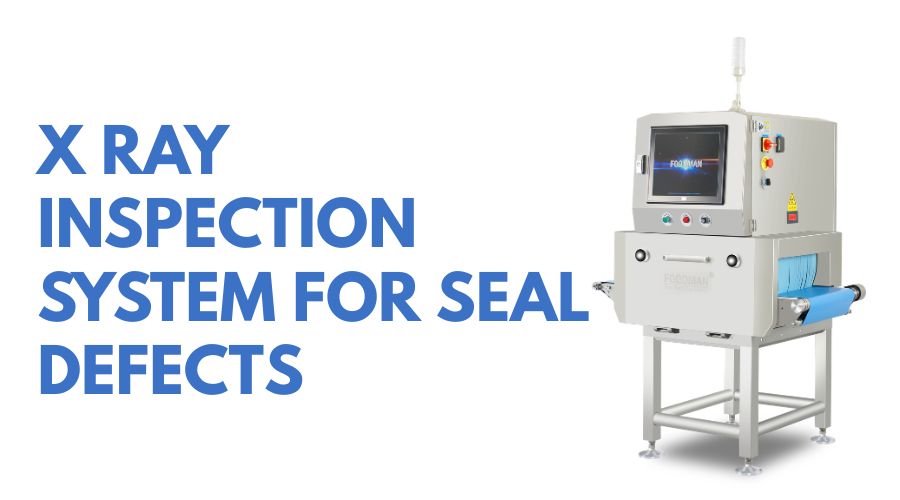
Typical defects that can be detected include: foreign objects entrapped within the seal area, compromised seal integrity resulting from insufficient product fill, and leakage of liquids or oils from the package seams.
2. AI Real-time Analysis: Millisecond-Level Detection and Response
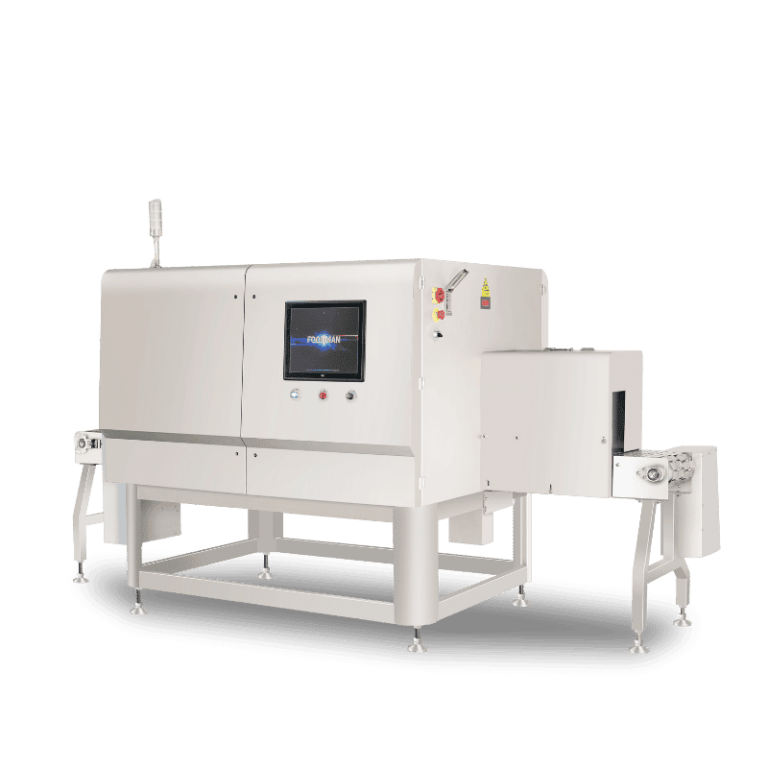
Foodman’s newly developed inspection system now integrates X-ray imaging technology with AI algorithms. The AI system continuously learns and establishes a standard model for “acceptable seals”; should it detect any deviation from this standard, it immediately triggers an alert.
The entire inspection process takes mere milliseconds to complete. This capability enables the system to perform real-time rejection of defective products without compromising the speed of the production line.
For manufacturers seeking a scalable and highly efficient solution for verifying the integrity of packaging seals, an X-ray inspection system powered by AI technology undoubtedly offers the ideal solution.
3. 100% In-Line Inspection: Eliminating Any Missed Defects
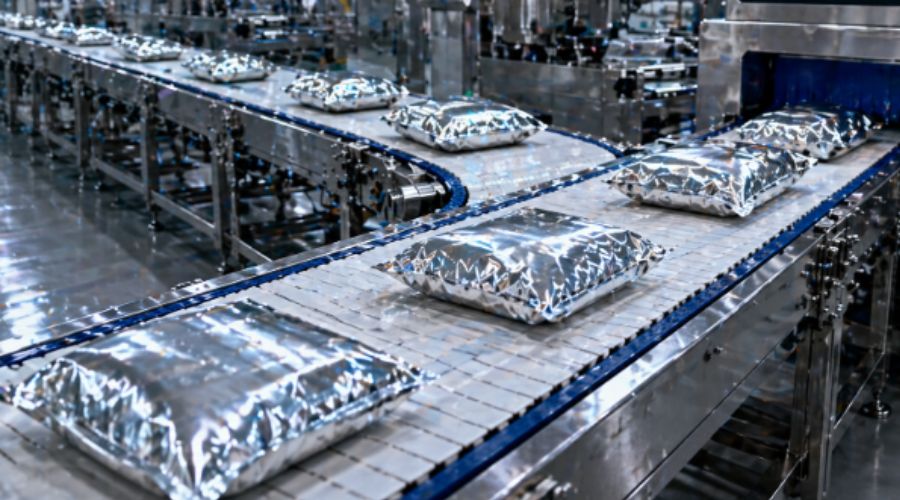
Unlike destructive or off-line inspectioning methods, X-ray inspection systems can be seamlessly integrated directly downstream from the sealing machine or upstream from the case packer. Every single package—whether a flexible pouch, a tray, or a capped bottle—can be inspected at full production line speed (up to 800 units per minute). Should the x-ray inspection system for seal defects be detected, a pneumatic reject mechanism automatically diverts the faulty item into a secure, lockable reject bin. This ensures that no defective products ever make it into the warehouse—let alone ultimately reach the hands of consumers.
For manufacturers seeking a solution to verify package seal integrity without compromising production speed or generating additional waste, in-line X-ray inspection stands as the ideal answer—the only method capable of delivering 100% comprehensive inspection coverage.
Which Production Lines Should Be Prioritized for Deployment?
1. High-Speed Packaging Lines
These are particularly critical for products such as: bagged facial masks, instant coffee packets, and foil-wrapped gummies. These production lines stand to gain the maximum benefit from X-ray inspection systems designed for food packaging.
2. High-Value Products
Specifically: pharmaceuticals, infant and child nutrition products, medical nutrition products, and premium seafood items. For these categories, the cost of a quality-related incident can be extremely high. Consequently, when inspecting the integrity of packaging seals for these products, the primary focus must be on achieving “100% comprehensive inspection.”
3. Export-Oriented Manufacturers
Export markets often impose stricter requirements regarding regulatory compliance. Packaging seal failures can lead to: customs rejection, import bans, and claims filed by distributors.
Utilizing X-ray inspection systems to address sealing defects helps bolster a company’s confidence in its compliance capabilities.
Conclusion: Loss Prevention Equals Profit Generation
The financial losses incurred from a single product recall often exceed the entire investment required for a complete set of inspection equipment. This transforms X-ray inspection systems from mere “cost centers” into tangible “profit assurance tools.” This shifting trend is now abundantly clear:
The paradigm is shifting from the belief that “reliance solely on sampling inspection offers insufficient assurance” to the realization that “only through 100% comprehensive inspection can true peace of mind be achieved.” Modern X-ray inspection systems for packaged foods empower businesses to transition from reactive quality control to proactive risk prevention.
When the integrity of packaging seals directly impacts product safety, brand reputation, and regulatory compliance, waiting until a recall event actually occurs before taking action constitutes the most costly—and erroneous—of decisions.
FAQ
Yes, advanced X-ray inspection systems designed for food packaging are capable of identifying minute leaks and oil-filled channels.
Absolutely. Although aluminum is denser than plastic, modern X-ray generators and detectors are specially calibrated to penetrate aluminum foil and generate images. In fact, aluminum foil seals are often easier to inspect, as the foil provides exceptionally high image contrast relative to air gaps and contaminants.
Yes. Most X-ray inspection systems feature a modular design that allows for flexible integration into a production line—for instance, positioned after the sealing machine but before the checkweigher, or immediately upstream of the cartoner (case packer). Equipment suppliers typically provide custom mounting brackets and conveyor components to ensure the system integrates seamlessly with your existing production line.