When Metal Detection Reaches Its Limits
A recent food safety issue in a certain region has attracted widespread attention within the bread industry.
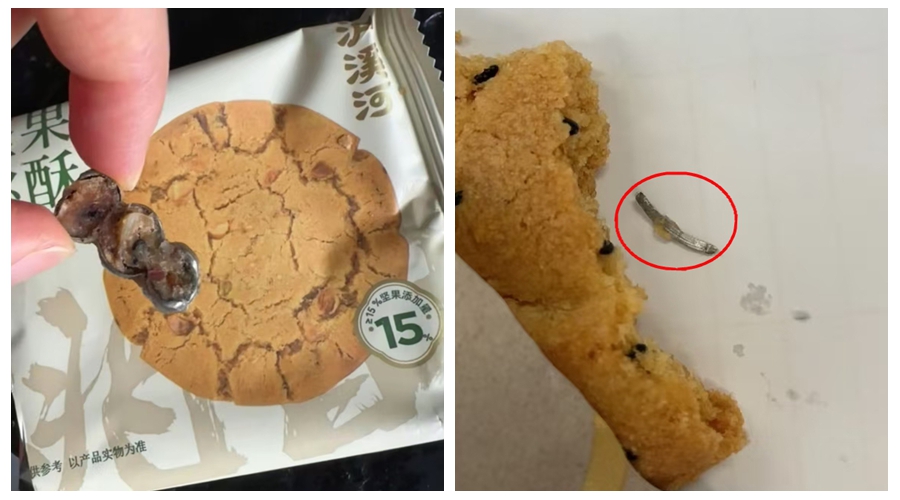
A customer reported finding a whole metal-ceramic dental crown inside a branded nut pastry purchased from a huge warehouse shop. The incident posed an important question for food manufacturers: since bread production lines already had metal detectors, how did such a hard foreign object make it through the inspection procedure and reach consumers?
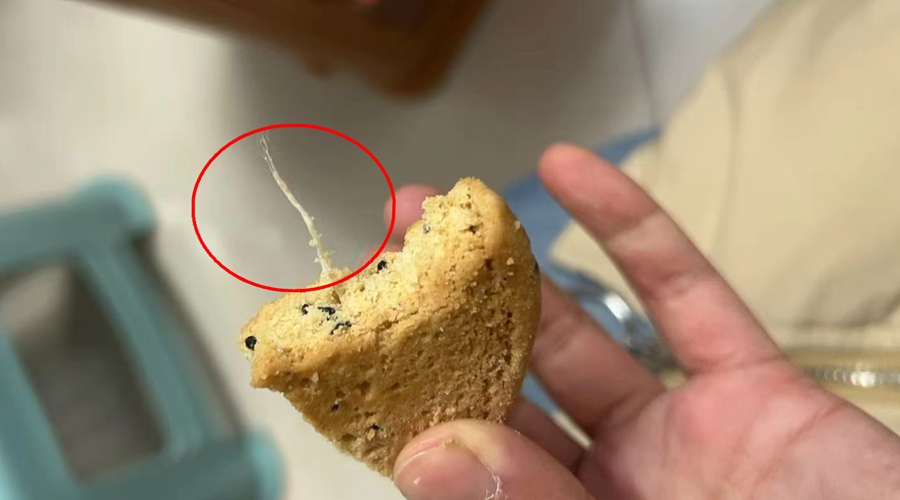
This case is not an isolated event.
In recent months, the same brand has faced multiple foreign object complaints involving hair, metal fragments, stones, and other contaminants. Behind these repeated incidents lies a common industry challenge:
Traditional metal detection systems are highly effective—but they are not a complete solution for all foreign object risks.
Metal detectors are not universal food safety barrier
Many food manufacturers feel that adding a metal detector near the end of the production line is sufficient to ensure product safety. However, real-world production environments are significantly more complex.
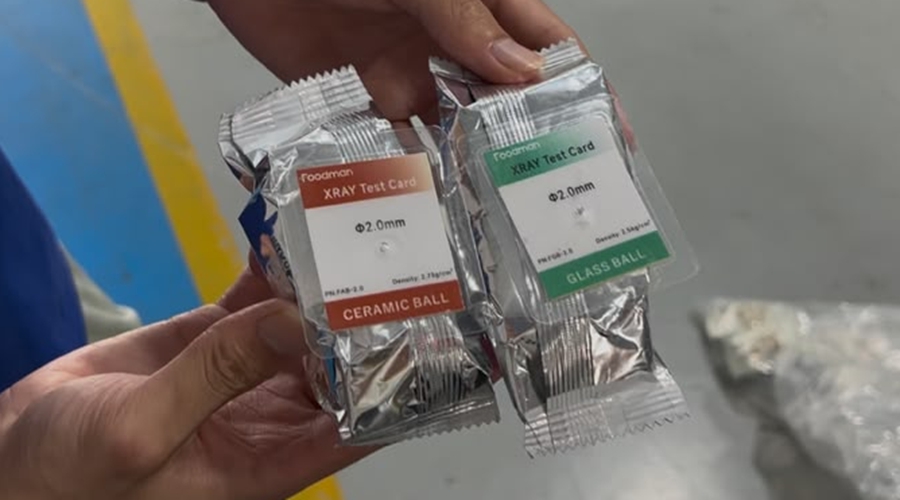
Several variables may affect a metal detector’s detection performance, including:
- Foreign object material composition;
- Contaminant size and shape;
- Product thickness and packaging structure;
- Product moisture, salt, and sugar content;
- The position and orientation of the contaminant inside the product.
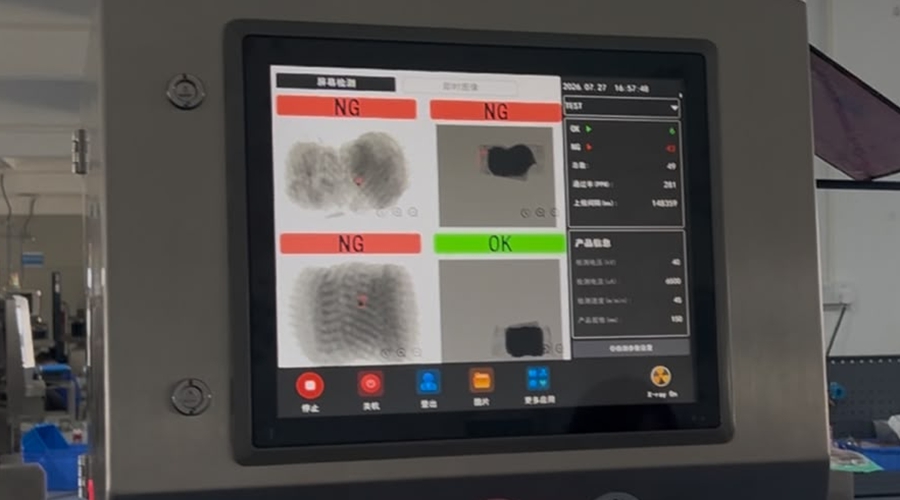
Due to their complex composition, dental crowns made from ceramic-metal composite materials may provide weaker detection signals. Certain alloy components may be difficult to identify with conventional metal detectors, increasing the chance of missed detection.
In addition, bakery products like cookies and pastries frequently have uneven structures, variable thicknesses, and irregular shapes. These circumstances can further lower detection sensitivity, making hidden pollutants more difficult to detect.
Beyond metal fragments, other high-density foreign objects—including glass, stones, ceramics, and hard plastics—also present challenges for traditional metal detection technology.
The reality is clear:
Metal detectors are an important safety tool, but they cannot detect every type of foreign object.
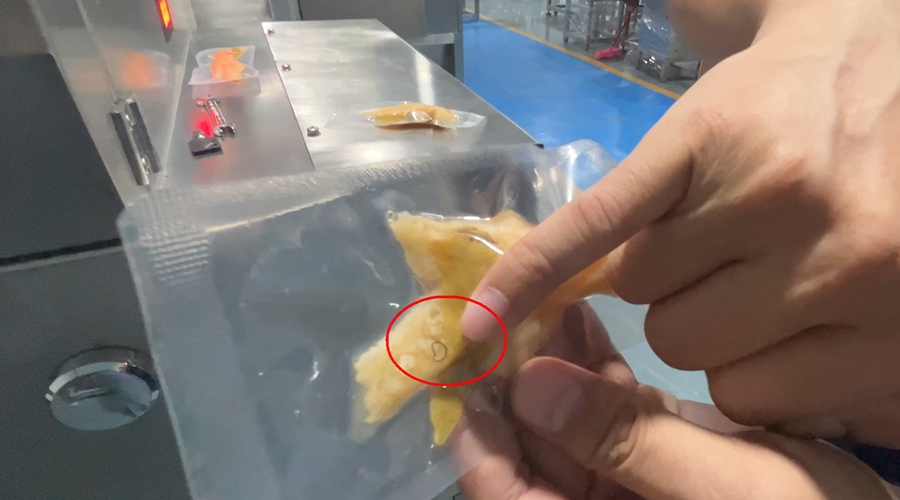
Bakery Safety Requires a Second Line of Defense
Foreign object risks cannot be completely eliminated—they must be controlled through stronger inspection strategies.
When traditional metal detection reaches its limitations, food manufacturers need a more comprehensive inspection solution.
That is where X-ray inspection technology provides an essential additional layer of protection.
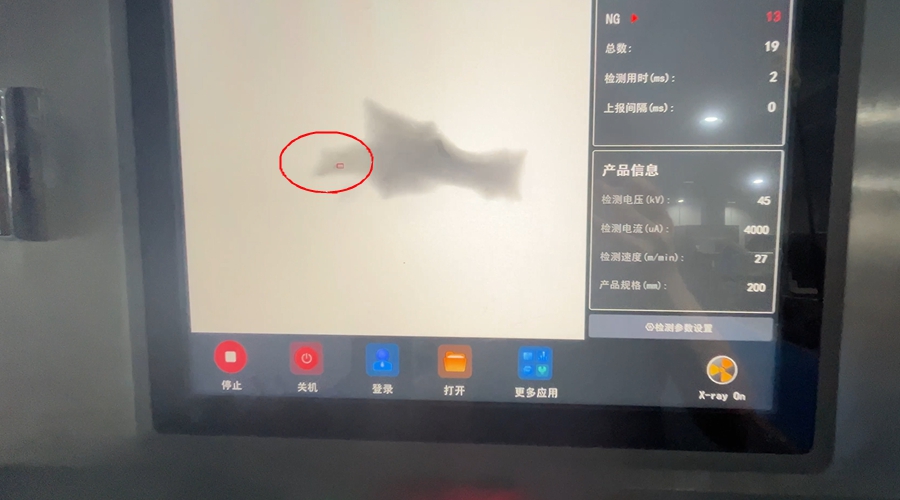
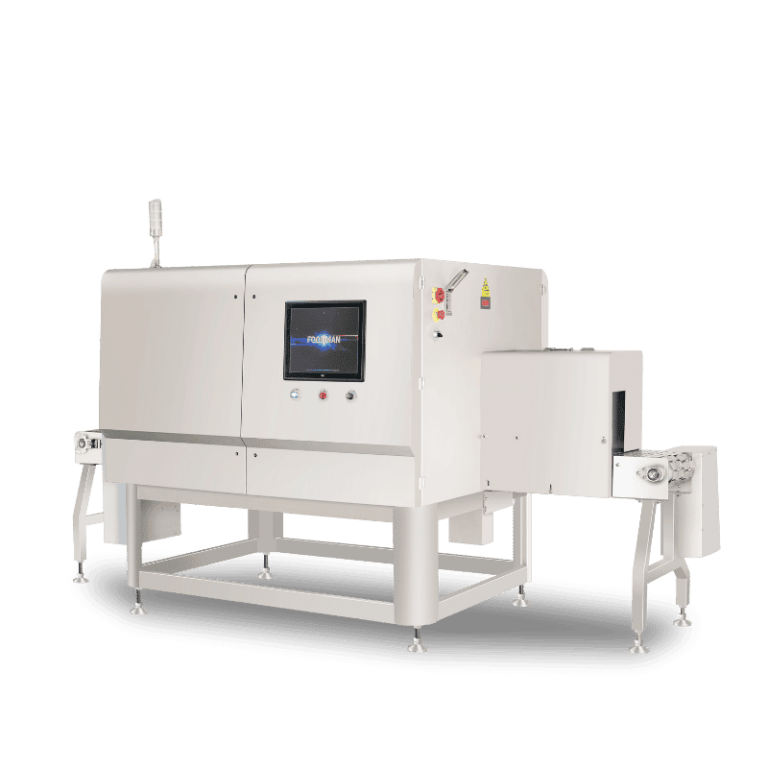
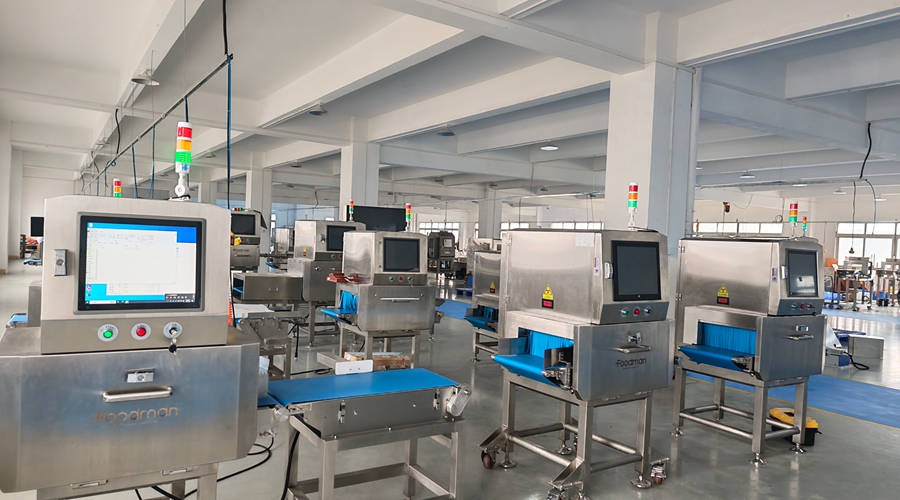
Foodman X-Ray Inspection Systems: Seeing Beyond Metal Detection Limitations
Unlike metal detectors that rely on electromagnetic signals to identify conductive metals, X-ray inspection systems use advanced density imaging technology to analyze the internal structure of products.
This allows the system to detect a wide range of foreign materials, including:
✅ Metal fragments
✅ Glass pieces
✅ Stones
✅ Ceramic materials
✅ Hard plastics
✅ High-density alloy components such as dental crowns
Even when foreign objects are hidden inside bakery products, X-ray imaging can reveal them as distinct density variations and trigger automatic rejection.
For food manufacturers, this means a more reliable and comprehensive contamination control solution.
Key Advantages of Foodman X-Ray Inspection Technology for Bakery Applications
1. Comprehensive Foreign Object Detection
Foodman X-ray inspection systems provide broader detection coverage compared with traditional metal detection by identifying multiple types of high-density contaminants, including metals, glass, stones, ceramics, and hard plastics.
2. Stable Performance Under Complex Product Conditions
Bakery products often contain high levels of sugar, oil, salt, or moisture, which may affect traditional inspection methods.
Foodman X-ray technology delivers stable imaging performance even under challenging product conditions, helping manufacturers maintain consistent inspection accuracy.
3. Complete Inspection Data Traceability
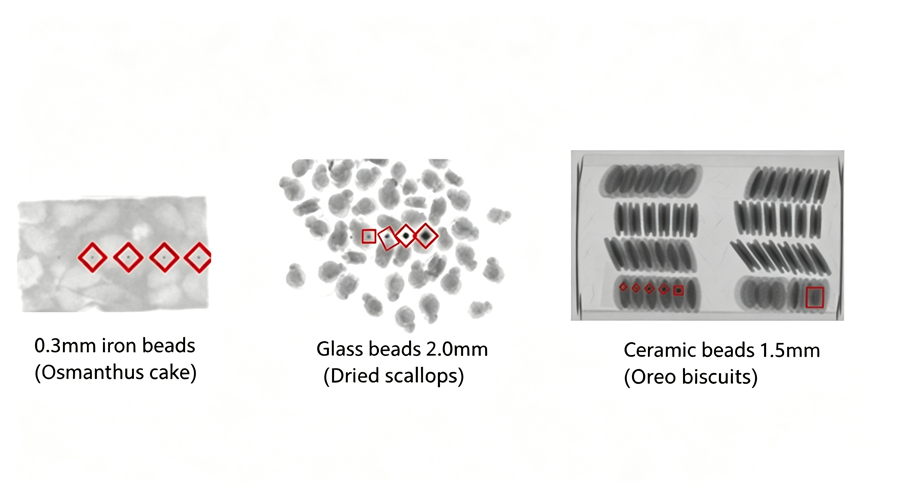
Each inspection image can be automatically stored, creating a complete quality control record for every production batch.
This helps food manufacturers:
- Improve traceability management;
- Support quality audits;
- Quickly analyze production issues;
Strengthen food safety compliance.
Building a Stronger Food Safety Defense with Dual Inspection Protection
For bakery manufacturers, combining metal detection technology with X-ray inspection systems creates a stronger and more reliable foreign object control strategy.
Metal detectors remain valuable for detecting many metallic contaminants, while X-ray inspection systems provide additional protection against non-metallic high-density materials that may otherwise escape detection.
Together, they create a multi-layer safety system that reduces contamination risks and protects consumers.
Food Safety Is the Foundation of Brand Reputation
Every foreign object incident can result in more than consumer concern. It can damage brand reputation, reduce customer trust, and create significant financial losses for food manufacturers.
Upgrading inspection technology is not simply an additional production cost—it is an investment in brand protection, risk prevention, and long-term business sustainability.
With advanced X-ray inspection solutions, Foodman helps bakery manufacturers strengthen their quality control systems, close inspection gaps, and deliver safer products to consumers worldwide.
FAQ
No. Metal detectors are effective for many metallic contaminants, but they may miss non-metallic or low-signal materials such as glass, stones, ceramics, hard plastics, and some alloy components.
X-ray inspection systems can detect a wide range of high-density contaminants, including metal fragments, glass, stones, ceramics, hard plastics, and other dense foreign materials.
X-ray inspection and metal detection serve different purposes. Metal detectors are ideal for detecting many metal contaminants, while X-ray systems provide broader foreign object detection capabilities, making them an effective additional safety barrier.