














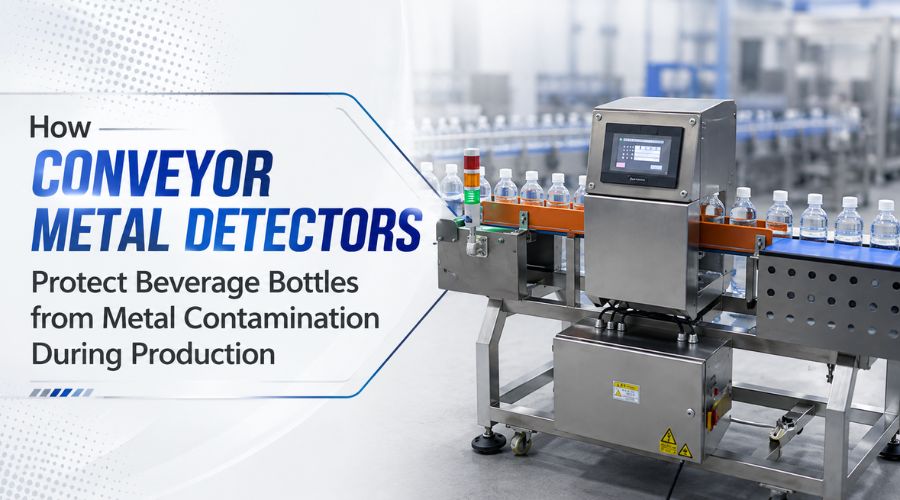
Metal Detector

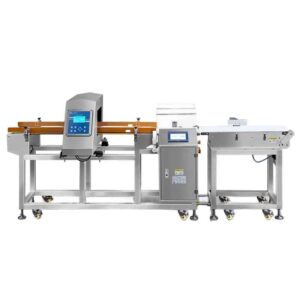
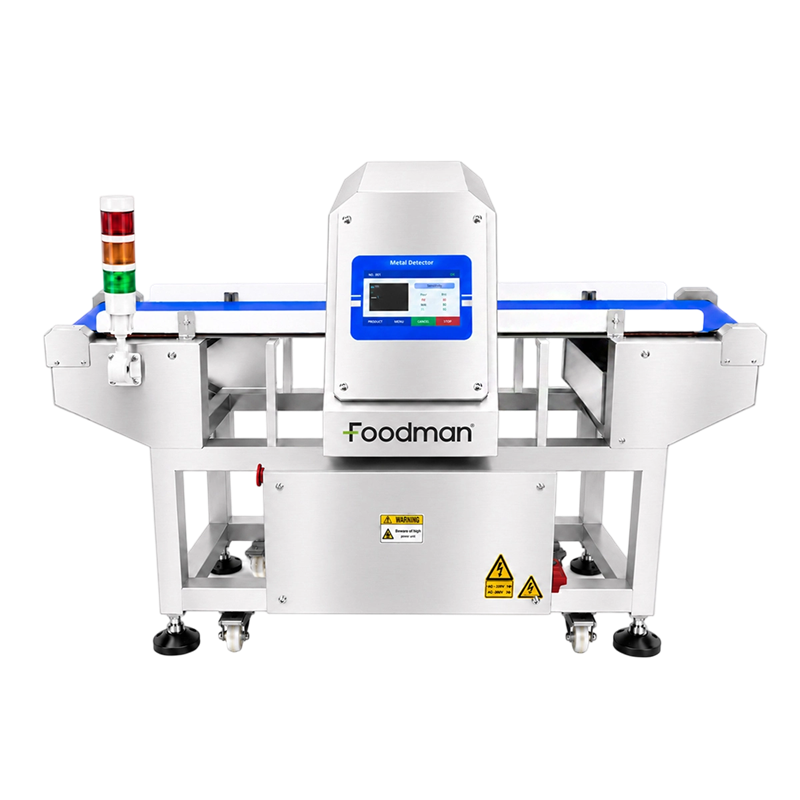
Ensure food safety with the Conveyor Metal Detector, designed for high-sensitivity detection of ferrous, non-ferrous, and stainless steel contaminants in food processing. Ideal for industries like food, poultry, pharmaceuticals, and cosmetics, this metal detector is suited for all packaged products including bread, meat, nuts, and more. Enhance product quality and compliance with our reliable, efficient conveyor metal detectors.

Industry Applications​

Our X-ray inspection systems serve diverse food industry sectors, addressing unique challenges in each with specialized solutions.​

X-Ray Inspection Solutions and Vision Inspection Solutions for packaged products.

Detect foreign objects in the meat and poultry during processing.

Suitable for bottled drinks for contanmiants and fill level detection.

Highly Suitable for detecting foreign objects in large or bulky items.

Foreign bodies in seafood can be detected by X-ray machines, such as fish meat.

The X-Ray Inspection system can be used to inspect fruits such as oranges.

The X-Ray inspection system detects foreign objects in cheese, ensuring safety and quality.

The X-Ray inspection system detects foreign contaminants in dairy products, ensuring purity.

Why Choose Foodman?

AI Powered Technology

AI technology boosts detection accuracy and efficiency.

Customizable Solution

We offer customizable solutions tailored to your production line.

Reasonable Price

Our products offer great value with competitive pricing and high quality.

Lifetime Service

We provide 1-year warranty and lifetime services. Reply in 24 hrs.

About Foodman

We specialize in food foreign object inspection and comprehensive visual detection solutions for the food processing industries. Our advanced technology ensures the identification of any foreign contaminants, safeguarding product integrity.

Foodman Amazing Clients

Our Technology

We created our own algorithm to improve image processing and visual inspection. Our focus is on providing more efficient X-ray and visual inspection solutions.

FDX

The FDX (Foodman Dual Energy X-Ray) system uses high-resolution TDI detectors and deep learning algorithms for material analysis, low-density impurity detection, and morphological feature inspection for enhanced accuracy. 

FIAP

The FIAP (Foodman Intelligent Algorithm Platform) uses advanced AI algorithms to enhance inspection processes. By applying deep learning to large image datasets, it improves detection accuracy for foreign objects and defects.

VISUAL

Our products use visual technology for quality inspections via image recognition. Cameras and image processing algorithms capture and analyze images to identify defects and ensure products meet quality standards.

Foodman Workshop

Frequently Asked Questions

Answering the most common questions about metal detectors to help you make informed decisions.

Coil design, product effect (moisture, salt content), aperture size, and environmental noise. Smaller apertures typically offer higher sensitivity.

Yes. High-moisture or high-salt products (such as meat, cheese, pickles) create product effect signals that may interfere with detection. Multi-frequency or dual-frequency technology can help reduce interference.

Regular calibration is recommended, including routine sensitivity checks and cleaning of the conveyor. Maintenance is generally simple and low-cost.

News Concerning Metal Detector

Metal Detection in the Era of Digital Traceability and Food Transparency

Introduction Rising Consumer Demand for Transparency and Traceability in the Food Industry In recent years, consumers have become increasingly concerned about the origins and safety of the food they consume. Digital traceability has emerged as a critical tool in addressing these demands, allowing manufacturers to track products from raw materials to the finished goods on

Read More »
The Importance of Test Pieces in Metal Detection Performance Validation

Introduction Growing Regulatory Requirements in Food Safety and Contamination Prevention In today’s food industry, regulatory bodies are placing increasingly strict demands on manufacturers to ensure food safety and prevent contamination. Global standards, including HACCP, FDA, and EU food safety regulations, require companies to implement reliable detection methods to identify foreign objects in production lines. Failure

Read More »
How Metal Detection Helps Food Manufacturers Achieve Regulatory Compliance?

Introduction Growing Regulatory Pressure on Food Safety and Contamination Prevention In today’s food industry, regulatory authorities are increasingly focused on food safety, with stricter requirements to prevent contamination. Manufacturers are expected to implement robust preventive measures, including metal detectors in the food industry, to ensure that products meet global safety standards. Failure to comply with

Read More »
Metal Detectors for Powdered Ingredients: What Makes Detection More Difficult?

Introduction — Why Metal Detection in Powdered Ingredients is Critical Define Powdered Ingredients and Their Prevalence in the Food and Pharmaceutical Industries Powdered ingredients are a foundational component in both food and pharmaceutical production. In the food sector, powders include flour, spices, protein powders, milk powders, and baking mixes. In pharmaceuticals, powders range from active

Read More »
How Metal Detectors Enhance Product Integrity in High-Speed Production Lines?

Introduction — Why Product Integrity Matters More Than Ever In today’s fast-moving manufacturing landscape, product integrity has evolved from a technical requirement into a core pillar of brand reputation. Product integrity refers to a product’s ability to reach consumers in its intended form—safe, uncontaminated, compliant with regulations, and consistent in quality. Any failure in this

Read More »
Overcoming Challenges in Detecting Metal Contaminants in High-Salt or Wet Products

Introduction — The Unique Detection Challenges of High-Salt and Wet Products Why Detecting Metal Contaminants in High-Salt or Moisture-Rich Foods Is More Difficult Detecting metal contaminants in high-salt or moisture-rich foods such as seafood, cheese, and ready-to-eat meals presents unique technical challenges compared to dry goods. The key reason lies in the electrical conductivity of

Read More »

Ask for the Best Solutions

Please fill in the blank some basic informations we need. We give provide the best solution for your products.
Please tell us your detailed requirement, e.g. Product, Package size, speed, etc.
=
Scroll to Top